If you are torn between a newly built home and a historic property in Kirkwood, you are asking the right question. This is a market where architectural character, local preservation rules, and buyer demand all shape what ownership really feels like. When you understand how infill new construction compares with historic homes in Kirkwood, you can make a smarter choice for your budget, lifestyle, and long-term plans. Let’s dive in.
Why This Choice Matters in Kirkwood
Kirkwood is not a place where one home style dominates everything else. Its housing story reaches back to the 1850s, and that long development history helps explain why you see older neighborhoods, designated historic districts, and newer infill homes side by side.
The market is also active enough that your decision matters beyond personal taste. Census QuickFacts reports a 77.2% owner-occupied housing rate and a median owner-occupied home value of $451,400 for 2020 through 2024. Recent market data also points to a competitive environment, with homes moving quickly and many selling above list price.
What Counts as a Historic Home
In Kirkwood, a historic home can mean more than one architectural era. The city’s local historic districts span from about the 1850s through the mid-1950s, so the term can include early homes, pre-war houses, and even some mid-century properties.
That range is part of what makes Kirkwood appealing. A district like Central Place includes homes built mostly between 1913 and 1924, with bungalow forms and Craftsman or Prairie details that still define the streetscape today.
Just as important, local status matters more than National Register status for day-to-day ownership. The city states that local landmarks and local historic districts can trigger exterior design review, while National Register status alone does not create local design review.
What Infill New Construction Means
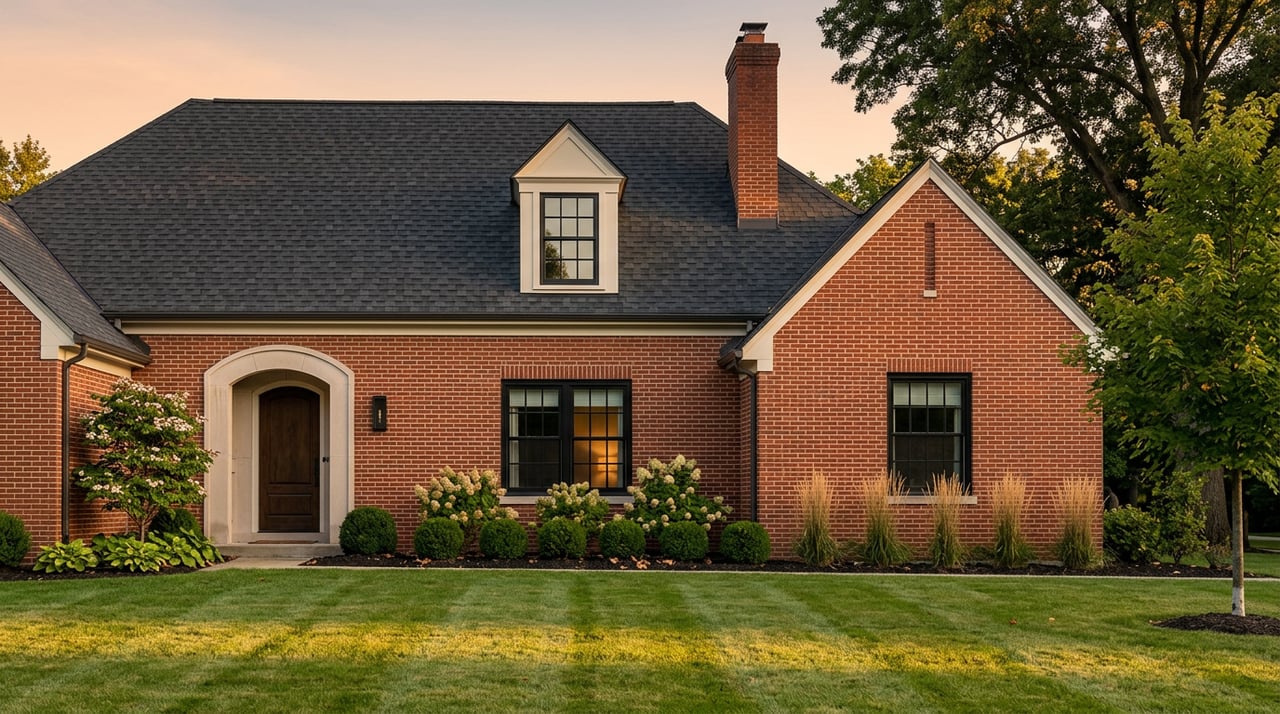
Infill new construction usually means a newer home built within an established neighborhood pattern rather than in a large new subdivision. In Kirkwood, that often puts new homes on blocks with older houses, mature trees, and established lot lines.
That does not mean builders have a blank slate. Kirkwood’s zoning summary limits primary structures to 35 feet and 2.5 stories, sets minimum lot sizes and widths by district, and often bases front setbacks on the average of adjacent homes when a block is already more than 40% developed.
In practical terms, infill homes in Kirkwood are expected to fit the block. Even outside the emotional debate of old versus new, the city’s rules shape how large, how tall, and how street-facing a new home can be.
Historic Homes and Character
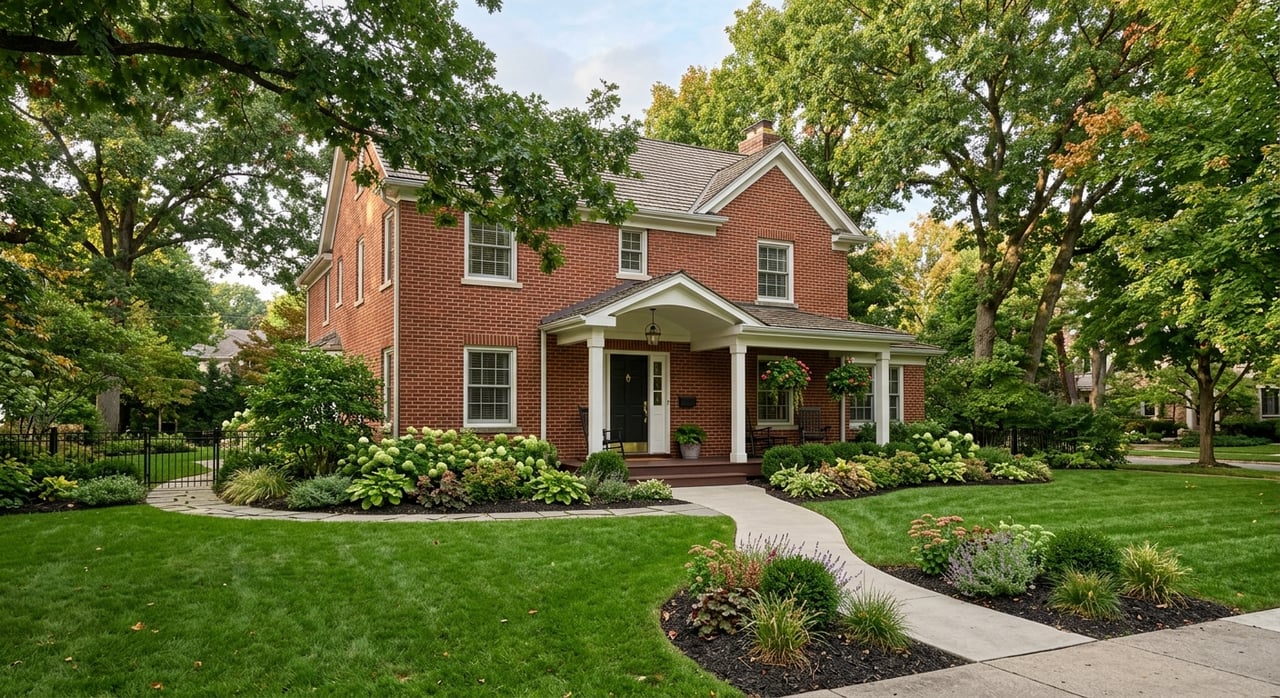
The biggest advantage of a historic home is character that is hard to recreate. In Kirkwood, many historic areas are defined by porches, mature trees, established front-yard and side-yard patterns, distinctive rooflines, and original materials that contribute to a consistent streetscape.
Central Place is a good example of that appeal. The city’s guidelines describe small lots, front porches, natural landscaping, and the visual importance of roof forms and mature trees. If you want a home that feels rooted in Kirkwood’s original development pattern, historic housing often delivers that sense of continuity.
For many buyers, that character is not just visual. It also shapes the everyday experience of arriving home to a street that feels layered, established, and architecturally varied.
Infill Homes and Modern Function
The clearest strength of infill new construction is modern livability. Buyers who want newer kitchens, more storage, updated finishes, and layouts that reflect current preferences often find new or fully renovated homes easier to live in from day one.
Recent Kirkwood buyer-trend data supports that point. Popular features include custom cabinetry, walk-in pantries, gas fireplaces, new kitchens, formal dining rooms, built-in bookcases, quartz counters, and two full bathrooms.
That does not mean every new home is automatically better. It means infill construction often aligns more naturally with the features many current buyers are actively rewarding in this market.
How Design Review Affects Your Options
This is one of the most important differences to understand before you buy. In Kirkwood’s local landmarks and local historic districts, demolitions, exterior alterations, additions, and new construction require a Certificate of Appropriateness before a building permit can be issued.
If you buy a historic home in one of those protected areas, future exterior changes may involve preservation review. That can include work affecting roof forms, porches, windows, doors, chimneys, masonry, and other visible features.
If you build new in a protected area, design review still applies. The city’s guidelines say new construction should be compatible with the streetscape without copying historic buildings exactly, with attention to alignment, massing, porch depth, roof shape, and materials.
Maintenance: Old Fabric Versus New Systems
Maintenance is often the deciding factor between these two options. Historic homes tend to come with original or historically sensitive elements that may call for more specialized repair decisions over time.
In Kirkwood, preservation standards emphasize protecting original exterior features and mature trees. That suggests owners of historic properties may face a more careful, detail-driven approach when updating or repairing visible components.
Infill homes usually offer newer systems and less connection to original historic fabric. That can simplify early ownership, although new construction still has to meet local zoning, site, and stormwater requirements.
Stormwater and Site Rules for Infill
A lot of buyers focus on floor plans and finishes, but site work matters too. Kirkwood regulates infill-related development through its engineering rules, and that includes new homes, additions, accessory structures, swimming pools, and driveway expansions.
If a project creates 1,000 square feet or more of new impervious area, or pushes the lot above 25% impervious coverage, the city requires stormwater best management practices under its ordinance. For buyers considering a teardown, rebuild, or large addition, that is a meaningful planning detail.
This does not make infill a bad choice. It simply means site design in Kirkwood can affect cost, timeline, and project scope more than some buyers expect.
Which Home Type Fits Your Lifestyle
If you love original architecture, porch-centered streetscapes, and homes with a strong sense of place, a historic property may feel like the better fit. You may be more comfortable with preservation-minded decisions and more hands-on upkeep if those details matter to you.
If you want a layout that reflects current living patterns, newer finishes, and fewer preservation-sensitive choices, infill new construction may make more sense. You may value function first and prefer a home built around modern storage, kitchens, and bathroom expectations.
Neither path is automatically right. In Kirkwood, the better option is usually the one that matches how you want to live, maintain the property, and plan for future changes.
What Resale Can Look Like
It is tempting to ask which category wins on resale, but Kirkwood is more nuanced than that. In a competitive market, both historic homes and infill properties can perform well when condition, pricing, and presentation line up with buyer expectations.
Historic homes often appeal to buyers who want authenticity and established character. Infill homes often attract buyers who prioritize modern livability and want fewer preservation-related decisions after move-in.
That means resale is less about a simple old-versus-new answer and more about execution. The home that is well presented, thoughtfully priced, and positioned for the right buyer is often the one that stands out.
How to Decide With Confidence
If you are comparing infill new construction versus historic homes in Kirkwood, start by asking a few practical questions:
- Do you want original character or modern convenience first?
- Are you comfortable with preservation review for exterior changes?
- How much ongoing maintenance do you want to manage?
- Do you expect to renovate, expand, or personalize the exterior later?
- Does the existing lot, setback pattern, or site coverage matter to your long-term plans?
Once you answer those questions, the choice usually becomes clearer. In Kirkwood, the best decision is rarely about trends alone. It is about matching the home to your priorities and understanding the local rules that come with it.
Whether you are drawn to a porch-lined historic street or a thoughtfully designed infill build, local context matters. If you want expert guidance on buying or selling in Kirkwood, Boutique Realty offers a refined, high-touch approach backed by neighborhood knowledge, thoughtful strategy, and polished presentation.
FAQs
What is the difference between a historic home and an infill new construction home in Kirkwood?
- A historic home is typically part of Kirkwood’s older housing stock, which can range from the 1850s through the mid-1950s, while an infill new construction home is a newer home built within an established neighborhood setting.
Do historic homes in Kirkwood always have design review requirements?
- No. Kirkwood states that local landmarks and local historic districts can trigger exterior design review, while National Register status alone does not create local design review.
What approvals may be needed for exterior changes to a home in a Kirkwood historic district?
- In local landmarks and local historic districts, demolitions, exterior alterations, additions, and new construction require a Certificate of Appropriateness before a building permit can be issued.
What rules affect infill new construction in Kirkwood?
- Kirkwood regulates infill through zoning and design standards, including height limits, lot size and width requirements, setback patterns, garage placement limits, and, in some cases, historic compatibility review.
Are newer homes in Kirkwood easier to maintain than historic homes?
- Often, yes in a practical sense, because newer homes are less tied to original historic materials, while historic homes may require more specialized repair decisions for visible exterior features.
Which sells better in Kirkwood: historic homes or infill new construction?
- Both can perform well in Kirkwood’s competitive market, with historic homes often attracting buyers who value character and infill homes appealing to buyers who prioritize modern function.