Choosing between a loft, townhome, or house in St. Louis City can feel simple at first, until you realize how much your day-to-day life depends on that choice. You may love the idea of city living, but the right fit often comes down to how you want to spend your weekends, what kind of upkeep you want, and how important parking, privacy, and monthly costs are to you. If you are trying to sort through your options from Chesterfield or elsewhere in the St. Louis area, this guide will help you compare the three in a practical way. Let’s dive in.
Why STL City choices vary
St. Louis City is highly neighborhood-specific. The city has 79 officially recognized neighborhoods, and zoning varies from single-family and two-family districts to multiple-family, neighborhood commercial, central business, and industrial districts.
That matters because lofts, townhomes, and detached houses do not show up in the same way across the city. In some areas, you will see a strong mix of residential, retail, and nightlife. In others, the housing pattern feels more residential and traditional block by block.
Lofts, townhomes, and houses
Lofts fit urban, open living
Lofts are often the clearest match for buyers who want an open layout and a strong connection to city activity. In Downtown, the Loft District is described as a place where residential lofts sit alongside businesses, boutiques, galleries, restaurants, and nightlife.
That kind of setting can appeal to you if you want walkability and a mixed-use environment that stays active throughout the day and evening. A loft can feel especially appealing if your priority is lifestyle, location, and character over having more separated rooms or private exterior space.
Townhomes offer a middle ground
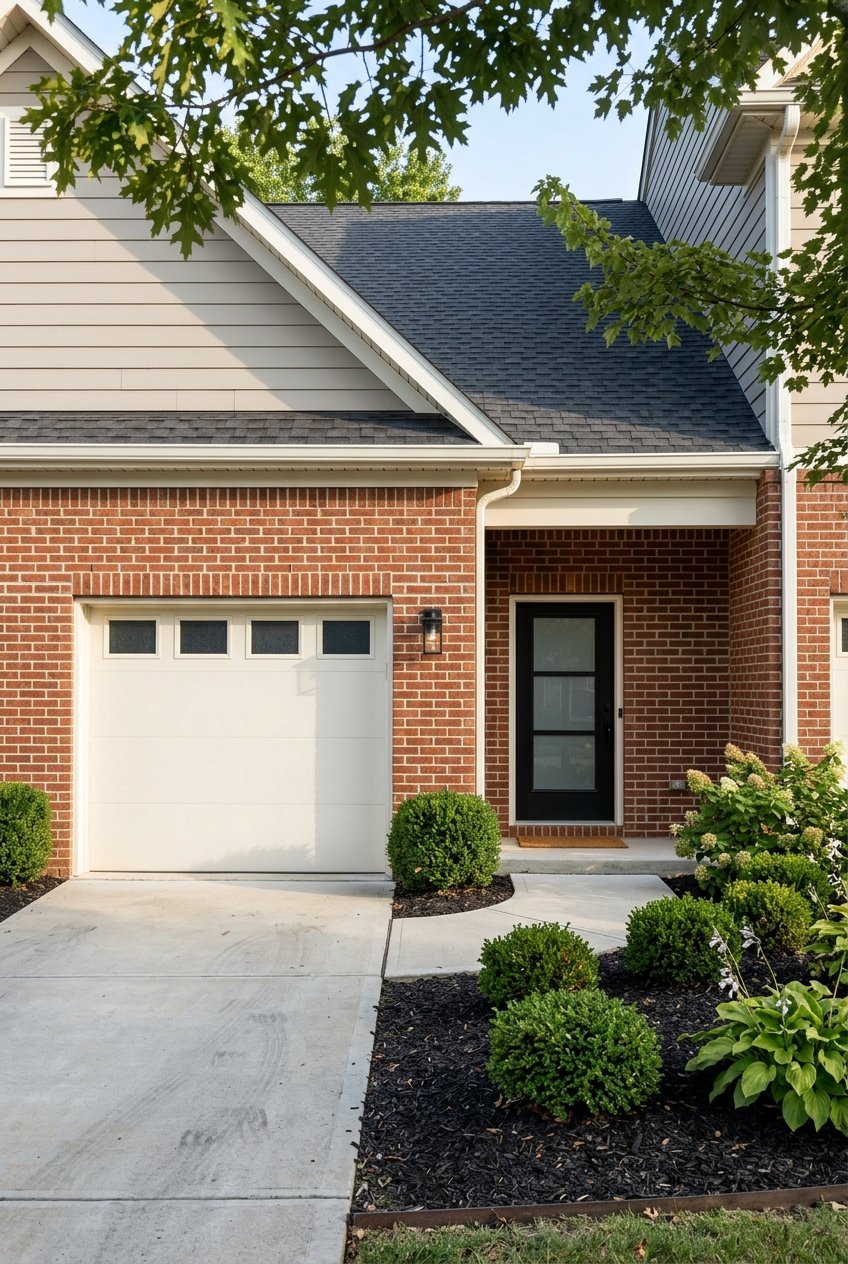
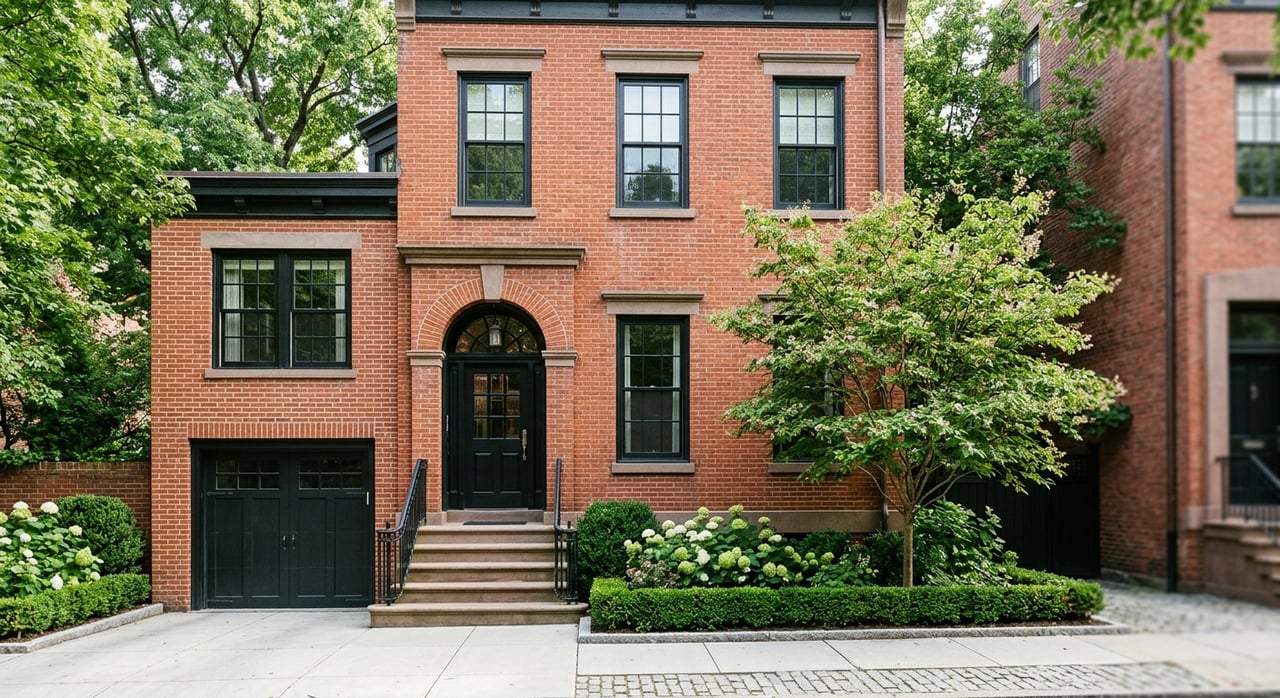
Townhomes often land in the middle between condo-style ease and detached-home independence. They can give you a more traditional ownership feel while still reducing some of the exterior responsibilities that often come with a standalone house.
There is also a practical side to understand. St. Louis City notes that some townhome situations can involve added subdivision and boundary considerations, including a property boundary change permit and, in certain cases, a Townhome Fee Simple Conversion Permit.
For many buyers, the bigger day-to-day issue is cost and responsibility. The Consumer Financial Protection Bureau explains that condo and HOA dues are usually paid separately from the mortgage, and condominium associations often cover more shared items such as roofs, driveways, and shared structures.
Houses bring the most control
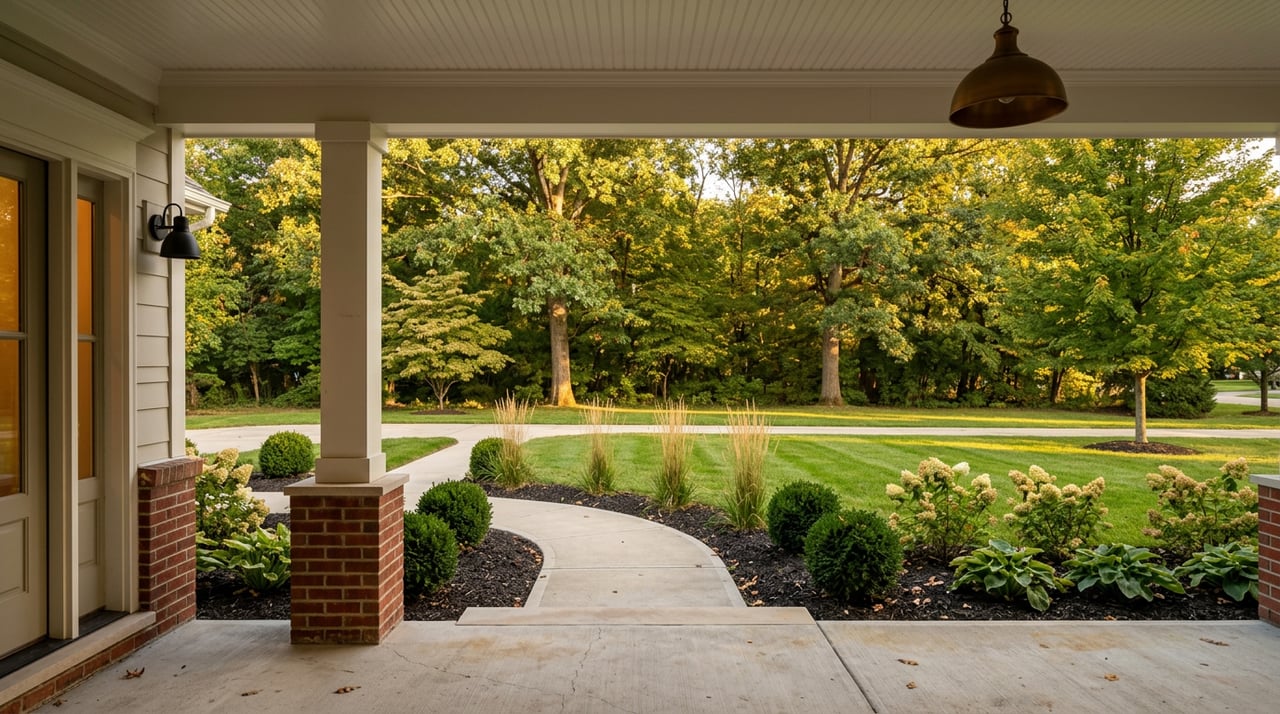
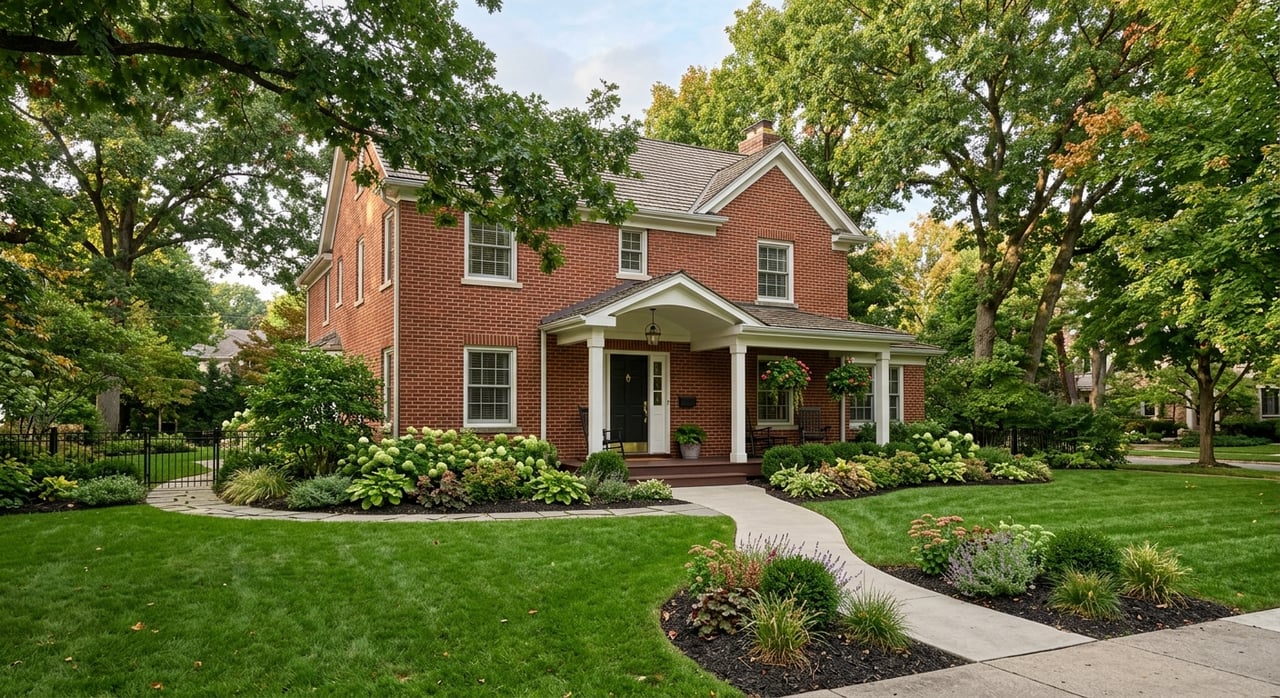
A fee-simple house is usually the best fit if you want the most control over the property. The city’s zoning includes a single-family dwelling district, which reflects the city’s range of detached-home living options.
With that freedom usually comes more responsibility. The CFPB advises buyers to budget for maintenance, repairs, utilities, property taxes, insurance, and HOA fees when applicable, which is a helpful reminder that a detached house often gives you more privacy and more upkeep at the same time.
Compare your daily lifestyle
When buyers are deciding between these three property types, the most useful question is often not, “Which one is better?” It is, “Which one fits the way I actually want to live?”
A loft may work well if you want an urban setting with easy access to restaurants, retail, and entertainment. A townhome may suit you if you want some shared upkeep and a more structured ownership setup. A house may be the right move if you want more independence, more separation from neighbors, and more say over the property.
Here is a simple way to think about it:
| Property Type | Best Fit For | Key Tradeoff |
|---|---|---|
| Loft | Buyers who want walkability and open urban living | Less privacy and often more parking considerations |
| Townhome | Buyers who want a balance of upkeep help and traditional ownership | HOA dues and possible added ownership complexity |
| House | Buyers who want control, privacy, and space | More maintenance responsibility |
Monthly costs matter more than price
The purchase price is only part of the story. Your monthly carrying costs can look very different depending on the property type.
The CFPB notes that HOA dues are usually separate from your mortgage payment, and those dues can range from a few hundred dollars a month to more than $1,000 a month. The smarter question is not just how much the fee is, but what it covers.
If you are comparing options, ask whether dues cover:
- Roofs
- Driveways
- Landscaping
- Shared structures
- Exterior maintenance
A higher monthly fee may be worth it if it meaningfully reduces your out-of-pocket maintenance exposure. On the other hand, if you prefer to manage your own property decisions, a detached house may align better with your goals.
Parking can change the answer
In St. Louis City, parking is not a small detail. It can quickly become one of the biggest decision points, especially if you are looking at lofts or homes in denser neighborhoods.
The city provides garages and a surface lot in Downtown and Midtown, and metered on-street parking is managed through Parkmobile with a two-hour maximum for meter sessions. The city also notes that off-street parking is recommended if you need to park longer.
That makes parking a valuable filter early in your search. Before you fall in love with a property, make sure you know whether parking is assigned, private, shared, leased, or mostly dependent on street availability.
Inspections and timing count
Another city-specific factor is occupancy inspection timing. In St. Louis City, a Certificate of Inspection is required before occupancy for residential sales and rentals, and the city notes that buyers may still want a commercial-grade building inspection because the city inspection is not a warranty of condition.
That means your timeline should include more than just contract and closing dates. If you are buying in the city, it is wise to ask early about inspection status, occupancy requirements, and whether any timing issues could affect your move.
Where each option shows up
Downtown and Downtown West
If you are starting with lofts, Downtown and Downtown West are logical first stops. The Washington Avenue loft district is known for its mix of historic industrial character, restaurants, nightlife, retail, and residential loft living.
If you want a home that places you in the middle of a mixed-use environment, this area may be the strongest match. It is often less about yard space and more about access, energy, and architecture.
Central West End
The Central West End offers a highly walkable mixed-use setting with both older single-family homes and modern residences. That makes it a strong neighborhood to compare property types side by side.
If you are not sure whether you want a city house or a more lock-and-leave option, this is one of the more helpful areas to tour. You can get a clearer feel for how lifestyle and housing style overlap.
Lafayette Square
Lafayette Square is known for its historic setting, tree-lined streets, park-centered layout, Victorian homes, and restaurants. It is a strong example of a more residential city neighborhood.
If you are drawn to classic architecture and a more house-oriented feel, this area may help you picture what detached-home living in the city can look like. It also gives useful contrast if you are deciding between a house and a more attached product.
Soulard and nearby neighborhoods
Soulard is known for densely packed red-brick row houses, a historic market, patios, and nightlife. For many buyers, it helps illustrate how city character, walkability, and housing style can come together in a very specific way.
You may also want to compare official city neighborhoods such as Benton Park, Shaw, Forest Park Southeast, Tower Grove East, and Tower Grove South using the city’s official neighborhood list. Touring several areas in one day can make your priorities much clearer.
How to find your fit
If you are still deciding, start by ranking these four factors in order:
- Lifestyle and walkability
- Monthly carrying costs
- Parking needs
- Maintenance responsibility
That exercise tends to bring the answer into focus faster than scrolling listings alone. When you know which tradeoffs matter most to you, the right property type usually becomes much easier to spot.
If you are exploring St. Louis City from Chesterfield or another nearby suburb, having a neighborhood-by-neighborhood strategy can save time and reduce decision fatigue. The team at Boutique Realty helps buyers compare home styles, neighborhoods, and practical ownership differences so you can move forward with clarity.
FAQs
What is the main difference between a loft, townhome, and house in St. Louis City?
- A loft usually offers open urban living in a mixed-use setting, a townhome often balances shared upkeep with traditional ownership, and a house usually offers the most privacy and control with the most maintenance responsibility.
What should buyers know about HOA dues for townhomes in St. Louis City?
- HOA or condo dues are usually separate from the mortgage payment, and you should ask exactly what they cover, especially roofs, driveways, landscaping, and shared structures.
Why is parking important when choosing a loft or townhome in St. Louis City?
- Parking can vary widely in denser city areas, and Downtown parking rules, garages, surface lots, and meter limits can affect how convenient a property feels day to day.
What is a Certificate of Inspection in St. Louis City home purchases?
- The city requires a Certificate of Inspection before occupancy in certain residential sale and rental situations, and buyers should also consider an independent inspection because the city inspection is not a warranty of condition.
Which St. Louis City neighborhoods are good for comparing lofts, townhomes, and houses?
- Downtown and Downtown West are strong starting points for lofts, Central West End is useful for comparing multiple housing types, and Lafayette Square and Soulard help illustrate more residential and character-filled city living options.