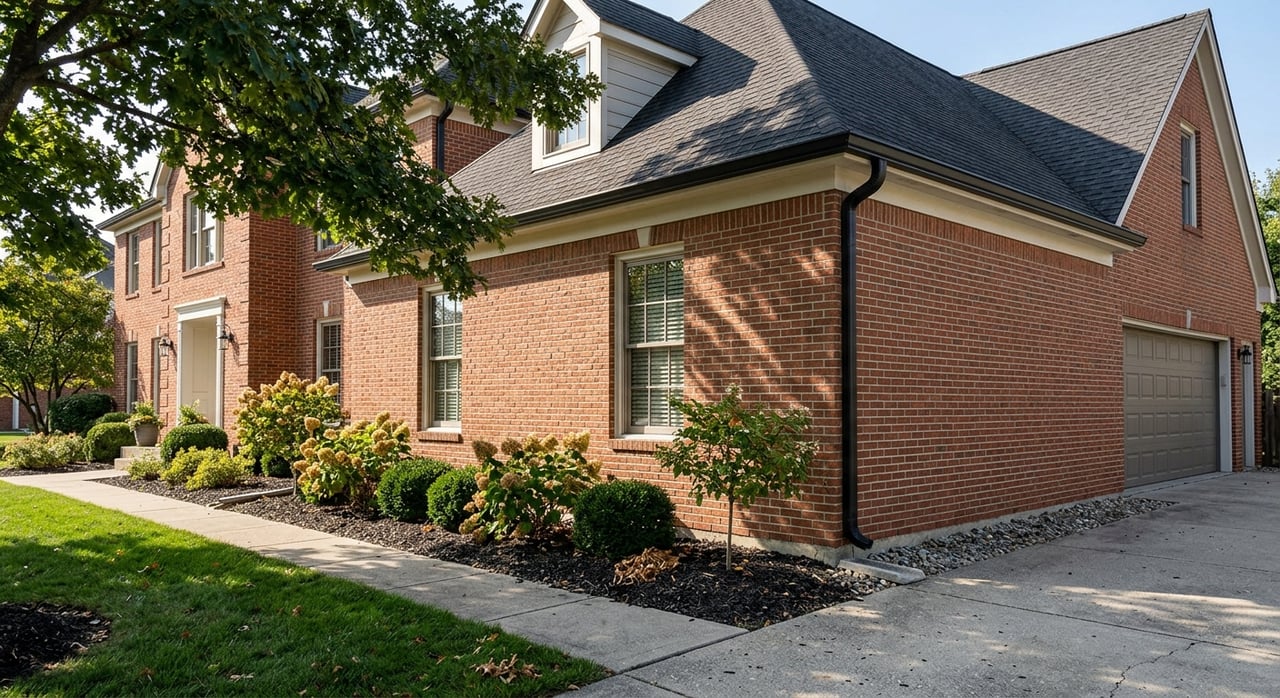
If you are thinking about buying an investment property in Cottleville, it is easy to focus on price first. But in a market with steady growth, active development, and zoning rules that can shape future value, the better question is whether the property truly fits your investment plan. When you know what to review before you buy, you can make a more confident decision and avoid expensive surprises. Let’s dive in.
Why Cottleville Draws Investors
Cottleville stands out as a small but growing market in St. Charles County. According to the U.S. Census QuickFacts for Cottleville, the city’s population estimate reached 6,378 in July 2024, up 13.5% from 2020. The same source reports 2,198 households, a 78.4% owner-occupied rate, a median household income of $114,420, a median home value of $381,900, and a median gross rent of $1,693.
Those numbers matter because they point to a market with higher incomes and rents than Missouri overall. For you as an investor, that can support a more stable rent or resale story, especially if you are targeting a well-located residential property or a small commercial opportunity. It also suggests that your underwriting should match local expectations rather than rely on broader state averages.
The county backdrop adds another layer of support. The U.S. Census QuickFacts for St. Charles County reports a 2025 population estimate of 426,499, up 5.2% from 2020, with an owner-occupied rate of 80.5% and a median household income of $104,692. That wider growth base can help support demand beyond a single subdivision or corridor.
Start With the Property’s Use
Before you estimate rent, resale value, or renovation costs, confirm what the property is allowed to do today. In Cottleville, that means reviewing the official zoning map and understanding whether the parcel falls in a residential, commercial, industrial, PUD, or special district.
This step is especially important because Cottleville has several commercial categories with different allowed uses. The city code identifies C-1 as light commercial office, C-2 as low-intensity service commercial, C-3 as general retail, C-4 as highway-oriented regional retail, and C-5 as a public-facilities district for uses such as health care, education, public administration, and religious uses. A property’s value can change quickly depending on which district applies and whether an overlay or special district also affects the site.
If you are considering multifamily, mixed-use, or redevelopment, the entitlement path matters just as much as the zoning label. A parcel that looks flexible on paper may still require extra review, design changes, or added cost before it can support your intended use.
Review PUD and Entitlement Risk
For larger infill or mixed-use opportunities, planned unit development rules deserve close attention. Under Cottleville’s PUD regulations, a PUD may include residential, non-residential, or combined development. That flexibility can be attractive, but it is not automatic.
The city requires area-plan and final-plan review, and it evaluates factors such as traffic and service capacity. Buffers may also be required near residential edges. The code also states that final-plan development must be completed within three years or the approval can expire.
That means you should treat timing as part of your investment analysis. If your project needs approvals, phased construction, or a change in use, process time can affect both your carrying costs and your return.
Compare Rent Assumptions to Real Local Data
A deal can look strong on a spreadsheet and still miss the market. In Cottleville, it helps to anchor your assumptions to the city’s median gross rent of $1,693 and the county’s median gross rent of $1,370 from the same Census source family, while remembering those figures are best used directionally.
If your property only works with rents far above local benchmarks, ask why. The answer might be justified if the location, finish level, access, or use flexibility stands out. If not, you may be underwriting more upside than the market is likely to support.
There is also a broader market signal worth noting. HUD’s St. Louis metro housing market profile from August 2025 says sales housing conditions were slightly tight, while apartment conditions were slightly soft, with a 10.5% apartment vacancy rate and an average rent of $1,296 in Q2 2025. The same report notes that St. Charles County accounted for about 29% of metro single-family permits and 33% of rental units permitted during the 12 months ending June 2025.
For you, that means supply is active. A strong deal should still make sense even if rent growth is moderate and competition increases.
Look Closely at Access and Visibility
In Cottleville, location is about more than a street address. Access to major roads and visibility along key corridors can materially affect value, especially for commercial, office, service, or mixed-use properties.
The city’s 2025 comprehensive-plan update RFP describes Cottleville as a roughly 4.75-square-mile community along Route 364, Hwy N, and Mid Rivers Mall Drive, about a 40-minute drive to Downtown St. Louis. The same document highlights a revitalized Old Town district and ongoing growth, including Cottleville Trails with about 550 residential units.
That growth can create opportunity, but it can also shift competition. New subdivisions, new apartments, and changing traffic patterns can influence which properties hold value best over time.
For commercial sites, traffic counts and frontage may deserve extra weight. An EDC listing on Mid Rivers Mall Drive described a site with more than 42,000 vehicles per day. Another local listing referenced strong visibility near St. Charles Community College and nearby residential growth. Those details suggest that in some parts of Cottleville, access and exposure can be as important as the building itself.
Factor in St. Charles Community College
St. Charles Community College is one of the clearest demand drivers in Cottleville. The city’s planning RFP notes that the college’s main campus is in the city and references more than 12,000 students. The college website places the main campus at 4601 Mid Rivers Mall Drive, one mile north of 364/94 and three miles south of I-70, and reports annual unduplicated credit enrollment of 8,415 for 2024-25, with 77% of surveyed students working.
That mix matters because it supports ongoing daytime activity and a pool of students, workers, and commuters moving through the corridor. Depending on the asset type, proximity to the campus may strengthen demand for rental housing, service retail, small office, or convenience-oriented uses.
You still need to evaluate each property on its own merits. But in Cottleville, nearby institutions and traffic patterns can shape demand in a very practical way.
Budget for Reviews, Inspections, and Code Work
One of the easiest mistakes investors make is underestimating process costs. In Cottleville, site plan review requirements apply to multifamily buildings with three or more units, more than one multifamily building on a tract, PUDs, and commercial, office, or industrial buildings or additions over 500 square feet.
The city also requires occupancy inspections for buying, selling, leasing, or renting a residential structure, changing tenancy, changing use, or changing ownership of a commercial structure. On top of that, adopted construction codes include the 2021 IBC and IRC, 2020 NEC, and 2021 IMC, IPC, and IPMC.
For you, this means a lower purchase price does not always equal a better deal. If the property needs parking changes, occupancy updates, code compliance work, or additional approvals, your real project cost may be much higher than expected.
Watch for Planning Changes
Cottleville is not standing still. The city issued a 2025 RFP to update its comprehensive plan and zoning and land-use maps, and the document says the current plan dates back to 2001. The update is intended to guide growth, redevelopment, and new residential and commercial development opportunities.
That matters because current zoning should not be treated as a forever assumption. If you are buying for long-term appreciation, redevelopment, or a future change in use, check whether a parcel could be affected by future plan updates or public hearings.
This does not mean you should avoid the market. It means your due diligence should include both what is allowed now and what the city may be planning next.
A Practical Cottleville Investment Checklist
Before you move forward on a property, use a simple framework:
- Confirm the current zoning and whether overlays, special districts, or PUD rules apply.
- Test rent or revenue assumptions against local Census and HUD benchmarks.
- Evaluate access and visibility, especially near Route 364, Hwy N, Mid Rivers Mall Drive, and campus-area corridors.
- Estimate permit, inspection, and code costs before you finalize your numbers.
- Review nearby development activity that could support or compete with your property.
- Check planning updates that may affect long-term use or value.
- Consider portfolio fit and whether the property supports your timeline, risk tolerance, and operating style.
In many cases, Cottleville may be a better fit for conservative long-term holds, build-to-rent strategies, or well-located small commercial infill than for highly speculative, thinly capitalized projects. That view lines up with the city’s growth profile, higher incomes, and ongoing county development activity.
Make the Numbers Match the Market
The best investment properties are not just affordable or attractive. They are aligned with the local market, realistic about approvals and costs, and positioned for the kind of demand the area can actually support.
In Cottleville, that means looking beyond the listing sheet. You need to understand use, access, competition, process, and growth patterns before you decide whether a property is a strong opportunity. When you do that work up front, you put yourself in a better position to buy with clarity.
If you are exploring investment, mixed-use, or redevelopment opportunities in Cottleville and want local guidance grounded in strategy and market knowledge, connect with Boutique Realty. Our team helps you evaluate opportunities with a careful eye on location, positioning, and long-term potential.
FAQs
What should you check first when evaluating an investment property in Cottleville?
- Start by confirming the property’s current zoning, allowed use, and whether any overlay, special district, or PUD rules apply.
How do Cottleville rent levels affect an investment property analysis?
- Cottleville’s reported median gross rent of $1,693 gives you a useful benchmark for testing whether your projected rent is realistic for the local market.
Why does location within Cottleville matter so much for investors?
- Access to Route 364, Hwy N, Mid Rivers Mall Drive, and areas near St. Charles Community College can influence visibility, convenience, and overall demand.
Do multifamily and commercial properties in Cottleville need extra review?
- Yes. Site plan review may apply to multifamily, PUD, and many commercial projects, and occupancy inspections can also be required depending on the transaction or use.
Is Cottleville a good market for long-term real estate investment?
- The city’s population growth, higher household income, and active development pipeline suggest it may fit long-term hold strategies, but each property still needs careful due diligence.