If you are drawn to Kirkwood, chances are you are not just shopping for square footage. You are looking for a home style that fits how you want to live, whether that means coffee on a deep front porch, easy one-level living, or a newer home with updated systems near established streets. In Kirkwood, architecture and lifestyle are closely connected, and understanding that connection can make your search much clearer. Let’s dive in.
Why Kirkwood homes feel different
Kirkwood has a housing mix that feels layered rather than cookie-cutter, and there is a good reason for that. The city protects 85 designated landmarks and nine local historic districts, and four Kirkwood districts are also listed on the National Register of Historic Places. Downtown Kirkwood is on the National Register too, which helps preserve the sense of history you feel from one block to the next.
That historic framework shapes more than appearance. It helps explain why Kirkwood offers such a wide range of home styles, from early 20th-century houses to mid-century neighborhoods and newer infill homes designed to fit the existing streetscape.
Kirkwood also stands out as a place where people tend to stay. Census QuickFacts reports a 77.2% owner-occupied housing rate, a median owner-occupied home value of $451,400, and 91.2% of residents living in the same house a year earlier. Those numbers point to a market where long-term ownership and neighborhood identity matter.
Bungalows offer a porch-centered lifestyle
If you picture a classic Kirkwood home, there is a good chance you are imagining a bungalow or Craftsman-influenced house. Central Place is especially known for this style, and the city describes bungalows as one- to one-and-a-half-story homes with low or wide rooflines, deep porches, and simple interiors.
Many of Kirkwood’s bungalows lean Craftsman in character. You will often see an approachable scale, practical layouts, and a design that feels welcoming rather than formal. Historically, bungalows were marketed as affordable first homes, which helps explain their modest lot sizes and efficient footprint.
For day-to-day living, this style often supports a neighborly, front-porch lifestyle. The porch becomes part of how you use the home, not just a decorative feature. If you want charm, manageable size, and a strong sense of place, bungalows often check those boxes.
Mid-century and ranch homes feel casual and connected
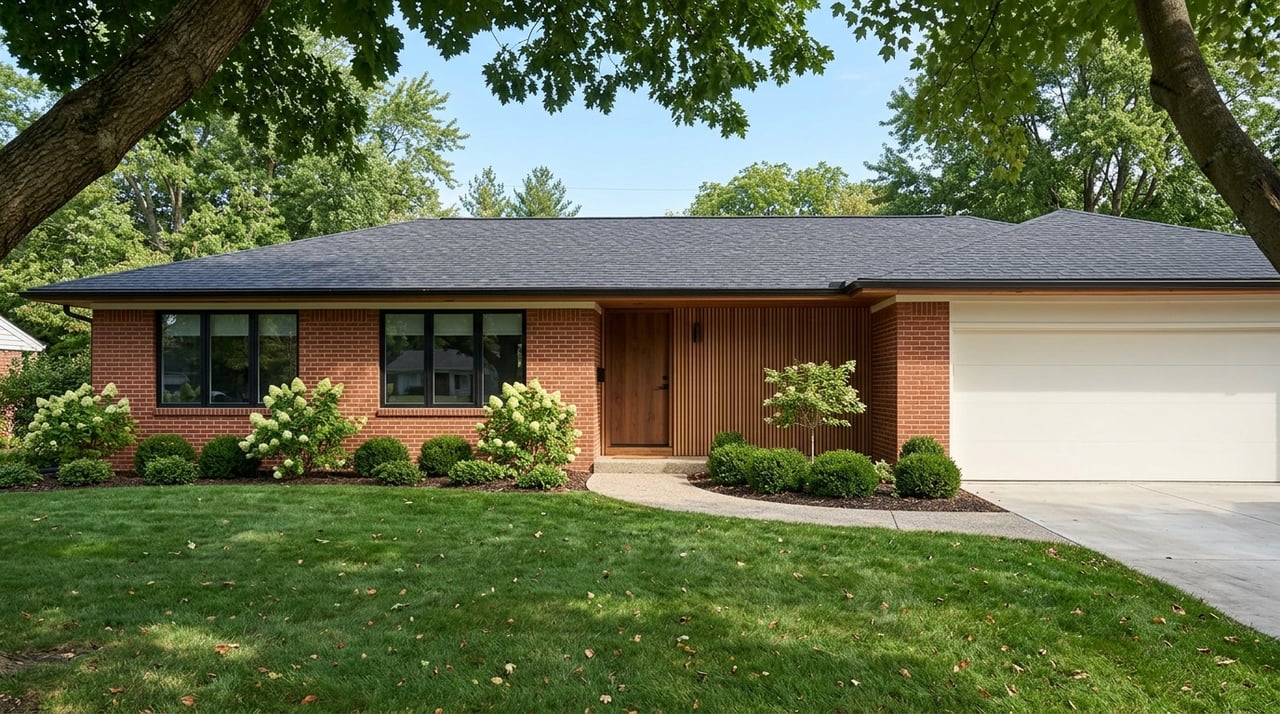
Kirkwood also has a strong collection of mid-century modern, ranch, and split-level homes. Neighborhoods like Craig Woods, Savoy, Barrett Brae, and Sugar Creek Ranch are part of that story.
The city describes Craig Woods as a 1953 mid-century modern development built on a wooded, sloping tract. Homes were arranged to fit the land, preserve trees, and emphasize indoor-outdoor living with large glass panes, patios, and screening fences.
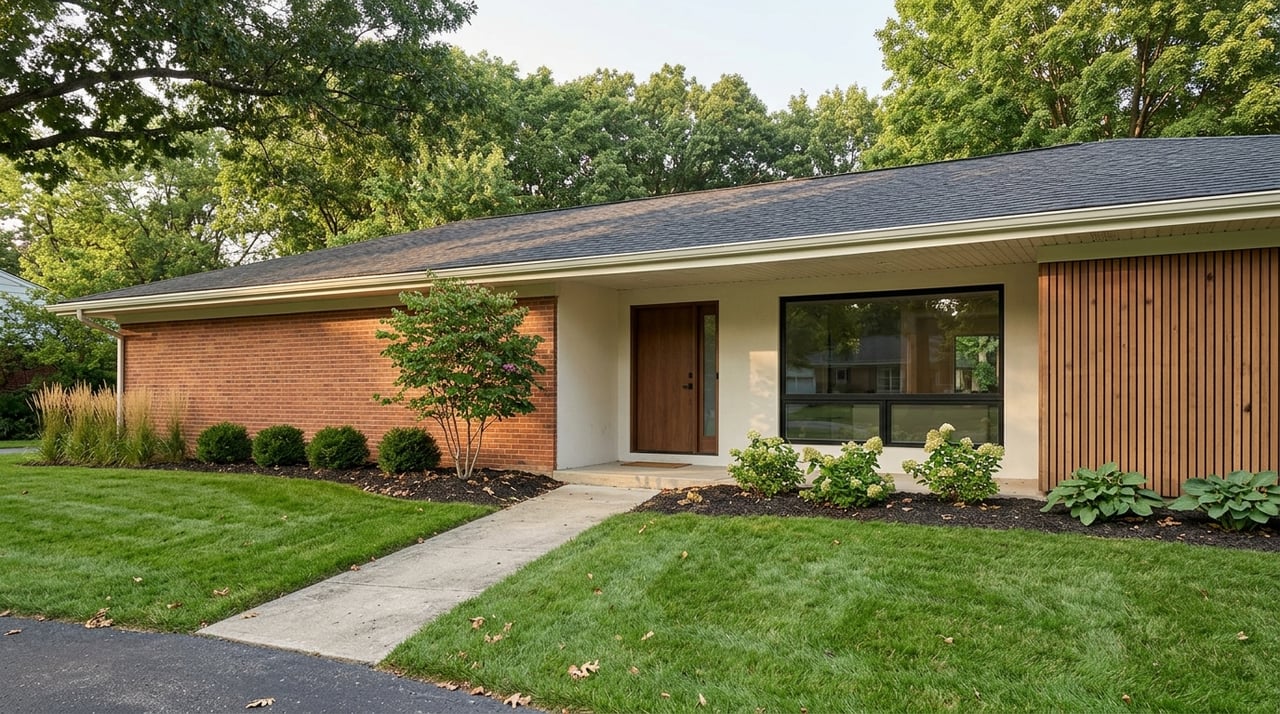
That planning still shapes the lifestyle these homes offer today. Mid-century and ranch homes tend to feel more casual, with easier flow between rooms and a stronger relationship to the yard. If you like less formality, more natural light, and living spaces that open toward patios or trees, this style family can be a strong fit.
Split-level homes also show up in this mix, especially on sloped lots. For some buyers, that layout offers a practical balance between shared living spaces and separation of bedrooms or lower-level flex areas.
Tudor and Colonial styles bring classic character
If your taste leans more traditional, Kirkwood gives you options there too. The city’s design guidelines identify Tudor Revival, Colonial Revival, Dutch Colonial Revival, American Foursquare, and other early 20th-century styles as part of the local housing landscape.
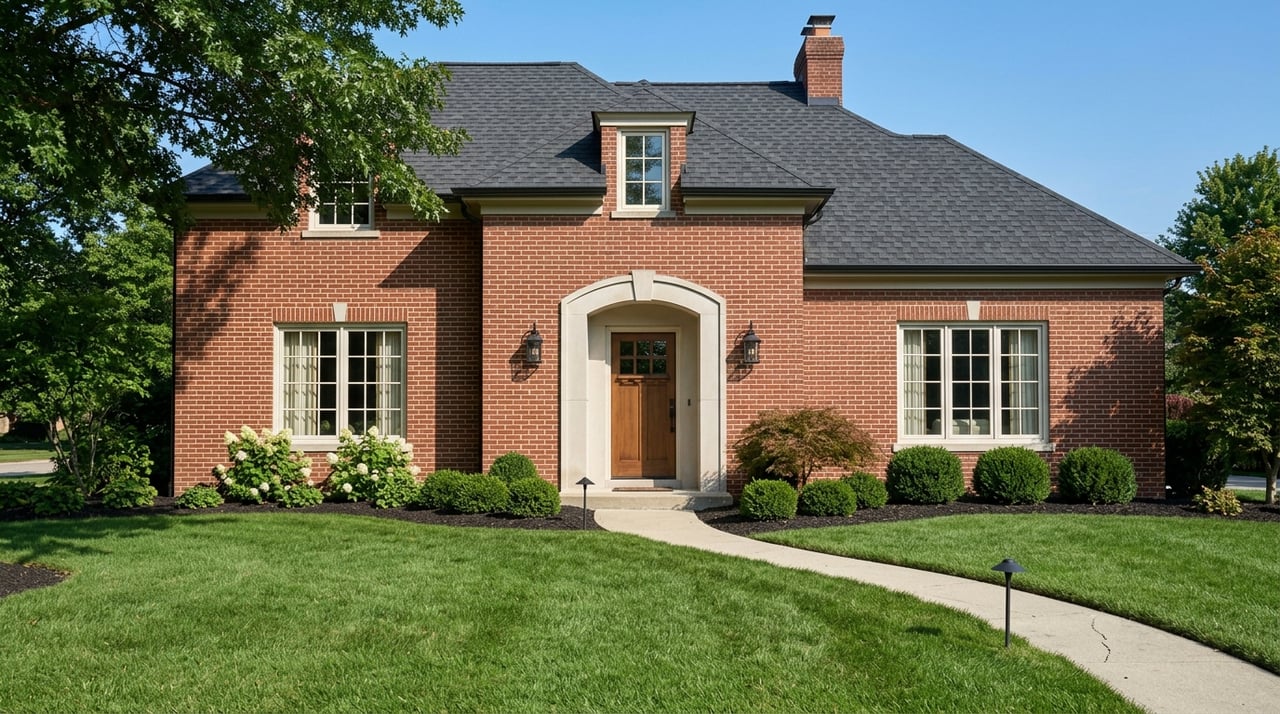
Tudor Revival homes are known for steep roofs, half-timbering, tall narrow windows, and prominent chimneys. Colonial Revival homes tend to have more symmetry and simpler exterior detailing, and they were especially popular from 1900 to 1940.
These homes often appeal to buyers who want architectural detail and a stronger street presence. They can feel more formal from the curb, but they also offer the kind of visual character many buyers are specifically seeking in Kirkwood. If you value established streets, period details, and a home that makes a traditional first impression, these styles may stand out.
Newer homes balance updates with context
Newer construction in Kirkwood is usually not about standing apart from the neighborhood. The city’s design guidelines expect new buildings to respect surrounding scale, align with nearby roof shapes and setbacks, and keep massing simple.
That matters if you want newer systems and a more current layout without losing the feel of an established area. Infill homes and thoughtful additions are generally expected to be compatible with the original streetscape, even when they clearly read as newer construction.
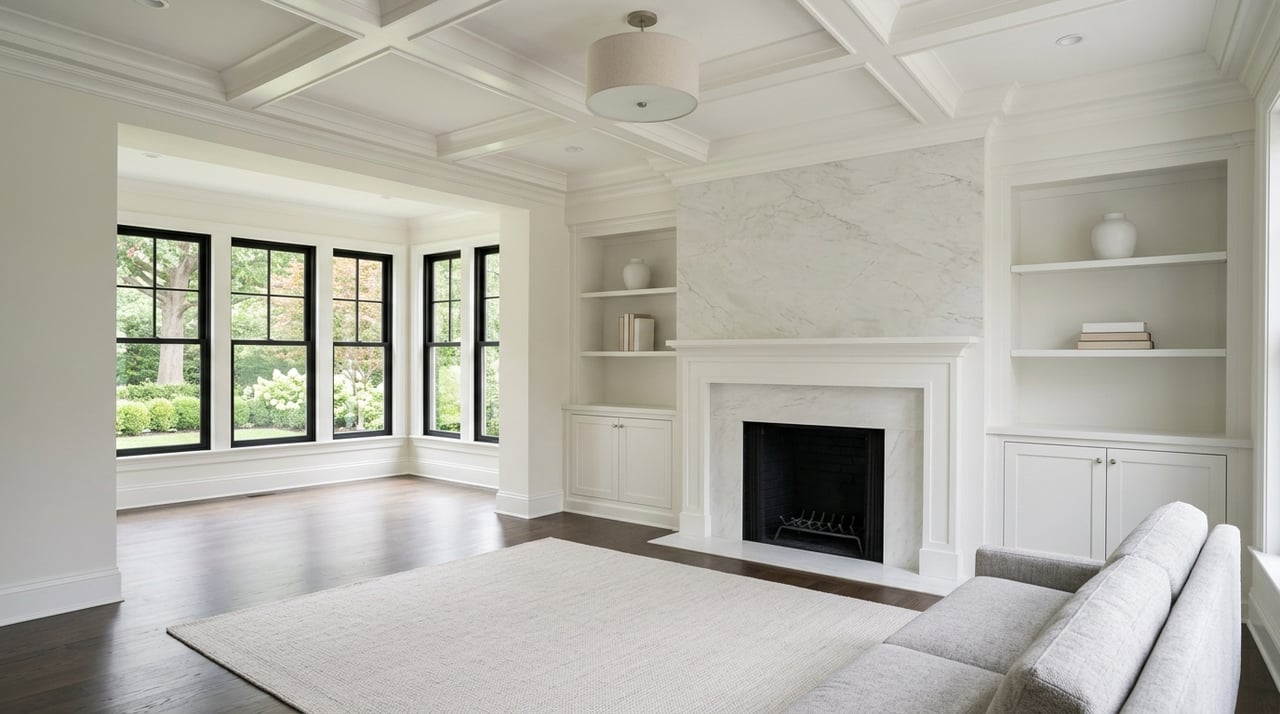
For buyers, this often means you do not have to choose between convenience and character as sharply as you might in other markets. A newer Kirkwood home may offer updated finishes, efficient layouts, and lower-maintenance systems while still fitting the neighborhood around it.
Kirkwood’s lifestyle goes beyond the house
The home style matters, but the larger Kirkwood setting is a big part of the appeal. The city points to downtown restaurants, shops, and the farmers market, along with more than 300 acres of parkland.
Kirkwood also has a long-established tree canopy. The Urban Forestry Commission says the city has been a Tree City USA community for more than 30 years, which supports the shaded, established feel many buyers notice right away.
The result is a daily lifestyle that often feels close to home in the best way. You may find yourself thinking less about driving from one errand to the next and more about how your neighborhood connects to downtown, parks, and everyday routines.
Walkability, trails, and transit add flexibility
Kirkwood’s historic train station is still part of daily life. It serves daily Amtrak passenger trains, and the city says it is the third busiest station in Missouri.
The station restoration project also describes it as an intermodal trail head for bicyclists using the Katy and future Rock Island trails. On top of that, Kirkwood has a pedestrian and bicycle master plan, Vision Zero efforts, and a planned Grant’s Trail extension into downtown Kirkwood.
That makes lifestyle in Kirkwood about more than what is inside your property line. For many residents, the value comes from being able to move between home, downtown, parks, and regional trail connections with more ease.
How to match a home style to your routine
When buyers compare Kirkwood home styles, the real question is often not which one is best. It is which one fits your day-to-day life.
Here is a simple way to think about it:
- Bungalows and Craftsman homes often suit buyers who want charm, porch living, and a more intimate scale.
- Mid-century, ranch, and split-level homes often fit buyers who prefer casual flow, practical layouts, and stronger indoor-outdoor connections.
- Tudor, Colonial, and other classic older homes often appeal to buyers who want traditional architecture and more formal curb appeal.
- Newer infill homes often work well for buyers who want updated systems and modern convenience within an established Kirkwood setting.
These are not hard rules, but they are useful starting points. Once you know what kind of daily rhythm you want, it becomes easier to narrow your search.
What buyers should keep in mind in Kirkwood
In Kirkwood, character and convenience can both be part of the equation, but they show up differently by home style. Older homes may offer original details, porch character, and a stronger sense of architectural identity. Mid-century and ranch homes may offer easier circulation and a more relaxed layout.
Newer homes may provide modern systems and efficient floor plans while still fitting into a mature neighborhood. If you are deciding between styles, it helps to focus on how you want the home to function, not just how it looks in listing photos.
It is also smart to understand the surrounding context. In a city where long-term ownership is common, neighborhood feel and architectural fit often carry real weight in how a home is experienced and valued over time.
What sellers should know about style and value
If you are selling in Kirkwood, your home’s architectural story can be part of its value story. Buyers here often respond to original materials, front-porch character, rooflines, and other defining details because those features reflect what makes Kirkwood feel distinct.
That is especially important in areas affected by the city’s preservation framework. Properties in designated historic districts and landmarks can be subject to Landmarks Commission review for demolition or exterior alterations.
For some owners, nationally listed districts may also be eligible for rehabilitation grants or tax credits. Even when buyers are focused on updates, they are often still drawn to homes that retain the details that make them feel rooted in Kirkwood.
Whether you are buying your next home or preparing to sell, the key is to look beyond labels and focus on how a property supports the way you want to live. In a place like Kirkwood, style is not just about architecture. It is about daily routine, neighborhood context, and long-term fit. If you want thoughtful guidance on navigating Kirkwood’s housing mix, Boutique Realty is here to help.
FAQs
What home styles are most common in Kirkwood, MO?
- Kirkwood features a mix of bungalows, Craftsman homes, mid-century modern homes, ranch homes, split-levels, Tudor Revival homes, Colonial Revival homes, and newer infill construction designed to fit established streetscapes.
What lifestyle does a Kirkwood bungalow usually offer?
- A Kirkwood bungalow often supports a porch-centered lifestyle with an approachable scale, modest footprint, and a strong sense of neighborhood character.
What makes mid-century homes in Kirkwood different?
- Mid-century neighborhoods in Kirkwood were often planned to fit wooded, sloping land, preserve trees, and support indoor-outdoor living through patios, large windows, and more casual layouts.
Are newer homes in Kirkwood designed to match the neighborhood?
- Yes. Kirkwood’s design guidelines say newer homes should respect surrounding scale, roof shapes, setbacks, and overall streetscape character.
What should sellers in Kirkwood know about historic districts?
- Sellers should know that designated historic districts and landmarks may be subject to Landmarks Commission review for demolition or exterior alterations, which can affect how changes are made to the property.
Why do buyers stay interested in Kirkwood long term?
- Census QuickFacts shows high owner occupancy and strong year-over-year residential stability, and the city’s parks, downtown amenities, tree canopy, trails, and transit connections all support long-term appeal.