Wondering how Frontenac and Ladue actually feel once you move past the listing photos? If you are starting your home search in these two St. Louis County communities, it helps to understand not just price points and square footage, but also the home styles, lot patterns, and everyday rhythm of life. This guide will help you compare the housing character and daily living experience in Frontenac and Ladue so you can narrow your search with more confidence. Let’s dive in.
Frontenac and Ladue at a glance
Frontenac and Ladue share a similar broad identity: both are low-density, largely owner-occupied communities where residential character plays a major role in the market. Frontenac reports 3,482 residents, about 1,300 homes, and 1,944 acres, while Ladue reports 8,989 residents and a 95.7% owner-occupied housing rate.
Those numbers help explain why both places often feel more like estate-style suburban markets than large tract-subdivision areas. In practical terms, you are more likely to encounter larger lots, established streetscapes, and homes with distinct architectural personalities rather than rows of similar houses.
Frontenac home styles
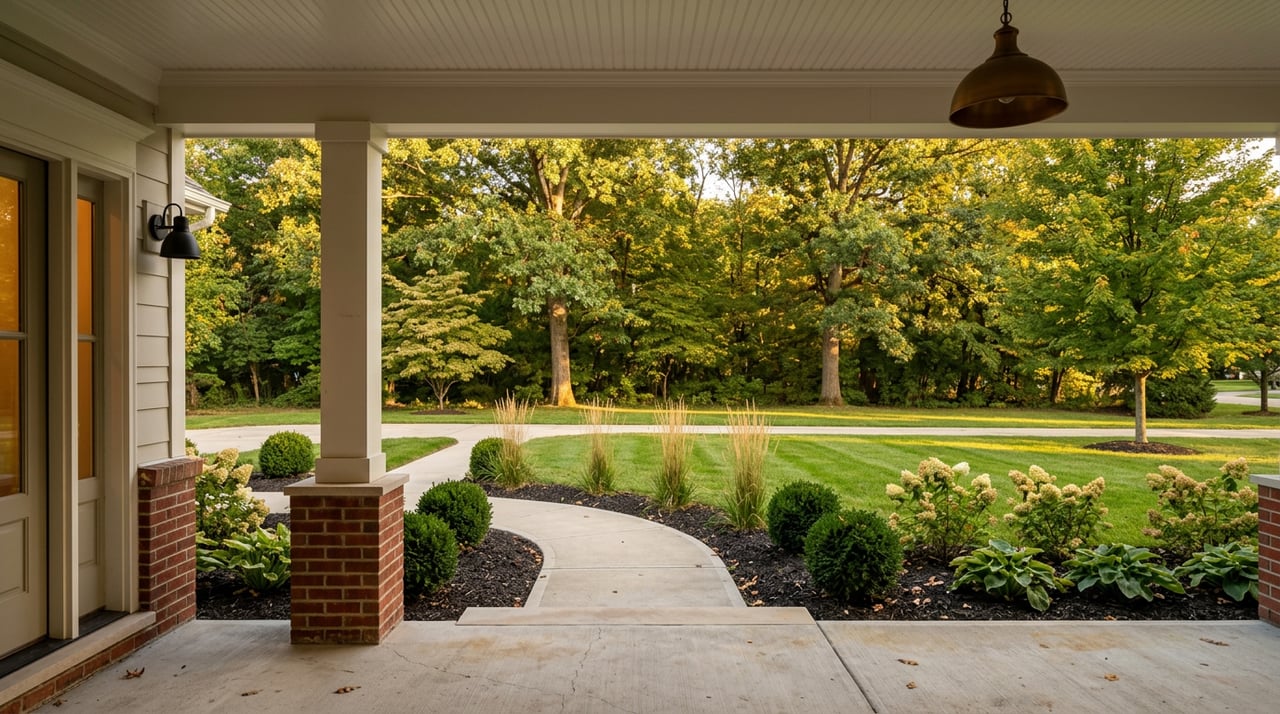
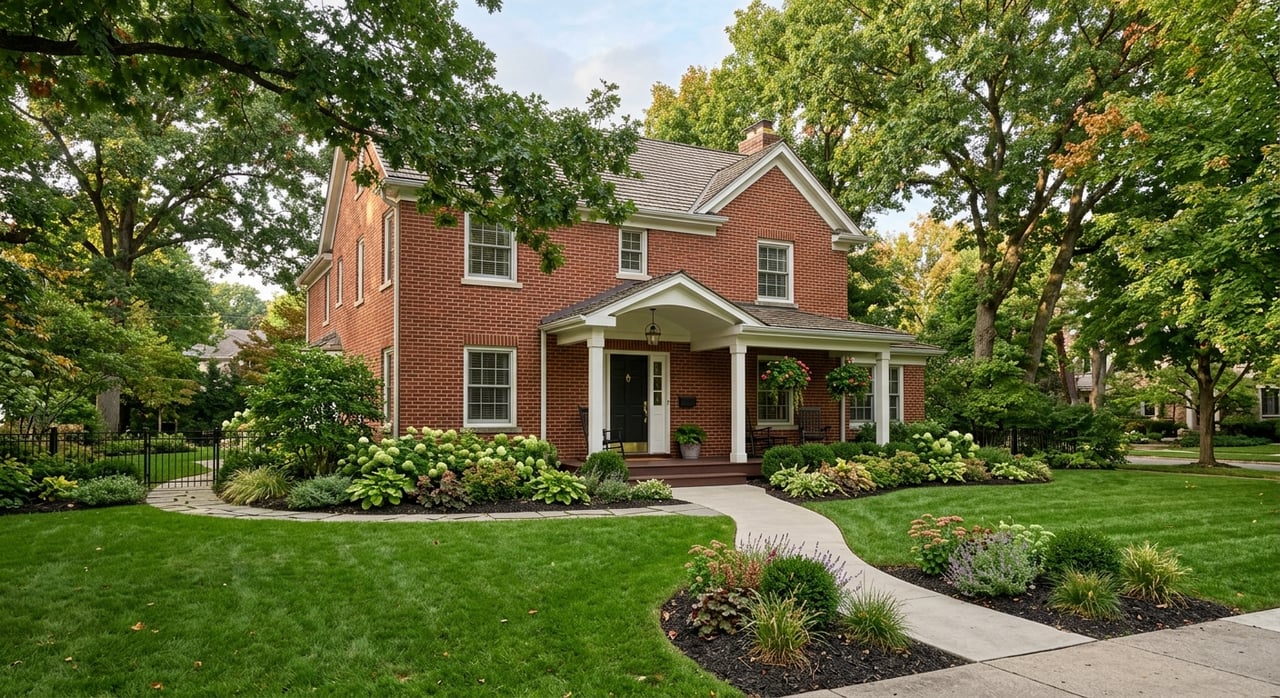
Frontenac is mostly single-family in character, according to the city’s planning documents. While commercial activity is concentrated along Lindbergh Boulevard and around places like Plaza Frontenac, much of the residential experience is defined by private lots, mature landscaping, and detached homes.
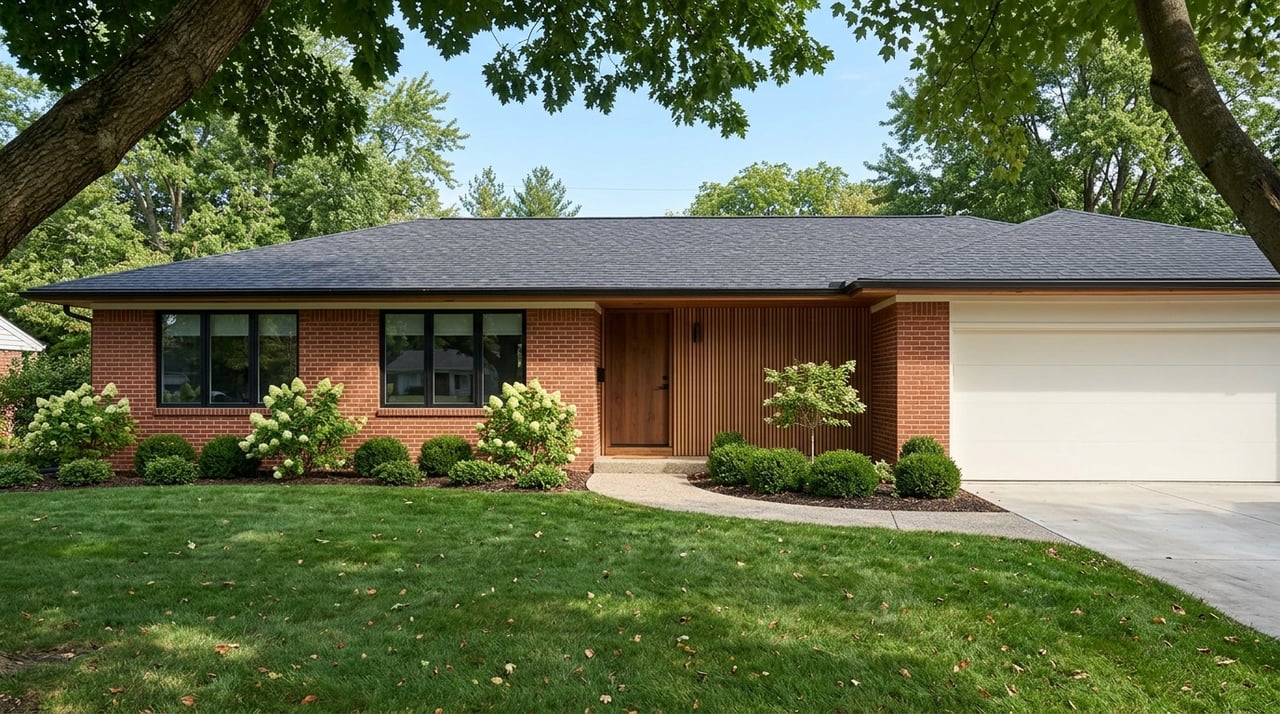
What stands out most in Frontenac is the variety within that single-family setting. Local examples highlighted in home coverage include a remodeled ranch, a traditional one-and-a-half-story home on a one-acre lot, and a newer custom home with Southern traditional design cues.
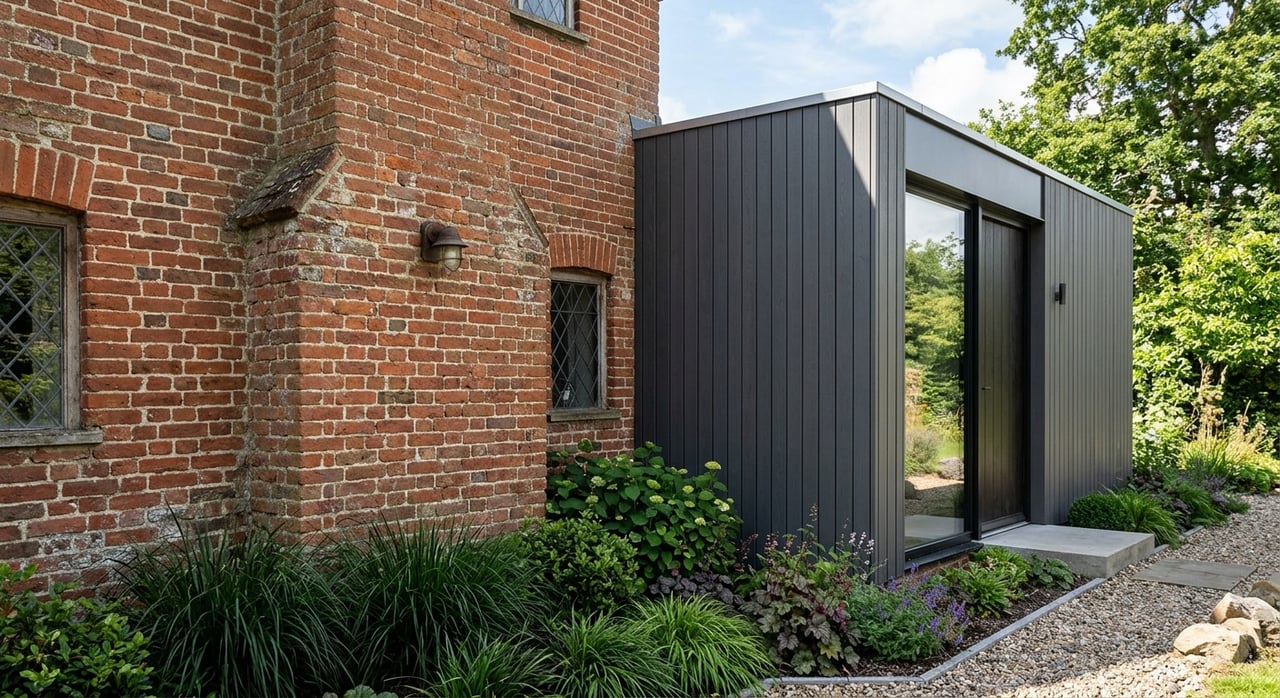
That mix suggests an important takeaway for buyers. Frontenac is not tied to one signature style. Instead, its housing stock often reflects large-lot homes that have been updated, expanded, or replaced over time.
What buyers may notice in Frontenac
As you tour homes in Frontenac, you may see a blend of older houses that have been thoughtfully remodeled alongside newer custom construction. That can create a neighborhood feel where no two blocks look exactly the same, even when the overall scale remains consistent.
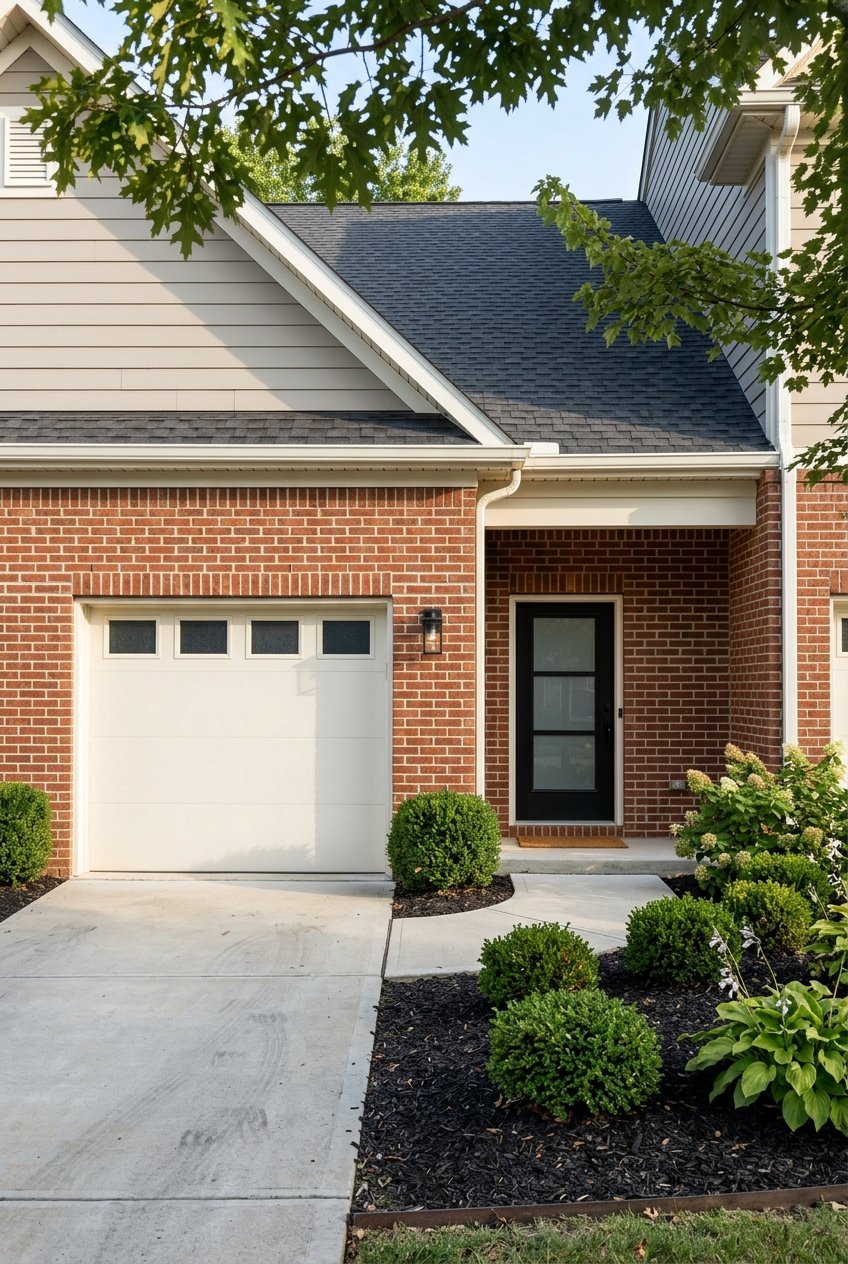
The city’s land-use framework also keeps one-acre residence districts in the picture. At the same time, it allows for some high-end single-family condominiums with ground-floor businesses and limited villa and townhome areas, which adds a bit of range for buyers seeking lower-maintenance options.
Frontenac design review matters
Frontenac’s Architectural Review Board reviews exterior architectural features. For buyers, that is useful context because it signals that exterior appearance and compatibility are part of the city’s long-term approach to preserving neighborhood character.
If you are considering a home with future renovation plans, this review framework is worth keeping in mind early. It does not just shape what homes look like today. It also influences how properties may evolve over time.
Ladue home styles
Ladue’s official architectural guidelines describe a spacious residential setting with fine estates, large homes, elegant cottages, rolling hills, mature vegetation, and architecturally diverse homes. Like Frontenac, Ladue is predominantly single-family, but the visual identity often feels especially rooted in established residential design.
The city’s history adds another layer. As Ladue developed from former farming land into a residential community, early homes were commonly designed in traditional Colonial and Tudor styles with generous green space.
Today, that legacy sits alongside other architectural eras. Local examples show mid-century ranch homes that remain part of Ladue’s identity, as well as mid-century modern and modern homes adapted for contemporary living.
What buyers may notice in Ladue
In Ladue, you may see a broader sense of architectural pedigree across traditional and mid-century homes. A Colonial or Tudor influence may appear on one street, while a ranch or modern design appears nearby, all within a setting shaped by large lots and mature landscaping.
Ladue’s architectural guidelines are also clear that the city does not require one fixed style. Instead, the goal is compatibility with the surrounding neighborhood context, which helps explain why the area can feel varied without feeling visually disconnected.
Ladue review process and updates
For owners and future owners, Ladue can feel more review-driven than a typical suburb. The city’s building permit application states that new residences, additions, and exterior remodels require prior Architectural Review Board approval.
That means if you are buying with plans to expand, rework the exterior, or build new, the approval process is an important part of your planning. It also helps maintain the broader streetscape that many buyers are drawn to in the first place.
Daily living in Frontenac
Frontenac’s daily routine tends to center on convenience, shopping, and dining. The city directory highlights destinations such as Plaza Frontenac, Bricktop’s Restaurant, Kreis Restaurant, and Canyon Café, and the main transportation corridors include I-64 and Lindbergh Boulevard.
That setup can make everyday errands and dining out feel especially straightforward. Roads such as Clayton, Spoede, Conway, and Geyer also help shape the local network, supporting a car-oriented lifestyle that is common in the area.
Frontenac green space and recreation
One of the more practical differences in Frontenac is the current public park picture. The city’s comprehensive planning materials say Frontenac does not currently have a public park system, public recreational amenities, parks, or greenspaces.
Instead, the lifestyle is shaped more by private yards, mature tree canopy, and recreation businesses such as Lifetime Fitness, Nutriformance, and Frontenac Racquet Club. The city is also studying future park acquisition and continues to discuss publicly accessible recreation amenities and a stronger community-event calendar.
Daily living in Ladue
Ladue’s daily rhythm reads as more residential and neighborhood-oriented. City materials describe a small-scale neighborhood shopping character, and the general commercial district allows restaurants, taverns, cocktail lounges, and outdoor dining spaces.
For many buyers, that can translate into a quieter day-to-day feel while still offering practical local conveniences. Ladue also sits just west of Clayton, and the city’s QuickFacts profile shows a mean travel time to work of 14.1 minutes.
Ladue green space and movement
Ladue’s public-works materials show ongoing work at Deer Creek Preserve, including a trail, small parking area, shared-use path, pedestrian bridge, and walking trail. For buyers who value outdoor access, that is a meaningful part of the daily living picture.
While Ladue remains firmly residential in character, these green-space improvements can add another layer to how you use the area week to week. That may appeal to buyers looking for large-lot living paired with some public outdoor features.
Frontenac vs. Ladue for buyers
If you are comparing the two, Frontenac often stands out for shopping and dining convenience, large detached homes, and private-lot living. Its residential experience is shaped more by wooded or tree-lined lots and private open space than by a public park network.
Ladue often stands out for estate-scale lots, architectural depth, and a more neighborhood-oriented daily rhythm. It also carries a strong mix of traditional and mid-century residential character, with public green-space improvements adding to the overall lifestyle picture.
How to narrow your search
The best choice often comes down to how you want your home and surroundings to function every day. If you want easy access to shopping, dining, and major corridors, Frontenac may feel like a strong fit.
If you are drawn to architectural variety, established residential setting, and a daily pattern that leans more neighborhood-focused, Ladue may rise to the top. In both communities, review-board oversight and long-standing residential character can play a meaningful role in the buying decision.
When you are evaluating homes here, it helps to look beyond finishes and square footage. Pay attention to lot size, renovation potential, surrounding streetscape, and how each location supports your routine.
If you are exploring Frontenac or Ladue and want a thoughtful, design-aware perspective on which homes and blocks may best fit your goals, Boutique Realty is here to help you navigate the search with local insight and personalized guidance.
FAQs
What are the most common home styles in Frontenac, Missouri?
- Frontenac is mostly single-family in character, with a mix that can include remodeled ranch homes, traditional one-and-a-half-story houses, and newer custom builds on large lots.
What are the most common home styles in Ladue, Missouri?
- Ladue includes a range of traditional Colonial, Tudor, mid-century ranch, mid-century modern, and modern homes, with architectural diversity shaped by compatibility with the surrounding neighborhood.
Is Frontenac or Ladue more walkable for daily living?
- Based on the city planning and transportation materials, both communities are shaped largely by low-density residential patterns, but Frontenac is especially tied to a car-oriented lifestyle centered on major roads, shopping, and dining nodes.
Does Frontenac have public parks and recreation spaces?
- Frontenac’s planning documents say the city does not currently have a public park system or public recreational amenities, though future park acquisition and recreation access are part of ongoing planning discussions.
Does Ladue offer public green-space improvements?
- Yes. City public-works materials show ongoing work at Deer Creek Preserve, including a trail, shared-use path, pedestrian bridge, small parking area, and walking trail.
Do exterior home changes in Frontenac or Ladue require design review?
- Yes. Frontenac’s Architectural Review Board reviews exterior architectural features, and Ladue requires Architectural Review Board approval for new residences, additions, and exterior remodels.