Looking for a home that gives you more free time and fewer weekend chores? In St. Charles, low-maintenance living can be a smart fit if you want less exterior upkeep without giving up access to parks, trails, community events, and neighborhood character. The key is knowing what each property type really offers, what the monthly dues cover, and which questions help you compare communities with confidence. Let’s dive in.
What low-maintenance living means
In St. Charles, low-maintenance living usually means buying into a community where an association handles some combination of exterior care, landscaping, snow removal, common areas, or shared amenities. That can make day-to-day ownership feel simpler, but it does not mean every property works the same way.
What matters most is the recorded ownership structure and the governing documents for the community. The marketing label on a listing can be helpful, but the real details come from the condo declaration, HOA documents, and maintenance responsibilities tied to that specific property.
Compare your main options
Condos
Under Missouri law, a condominium includes separate ownership of your unit and shared ownership of the remaining common elements. In many condo communities, the association is generally responsible for maintenance, repair, and replacement of common elements unless the declaration says otherwise.
For you as a buyer, that often translates to less hands-on exterior maintenance. Monthly assessments may help cover common areas, amenities, and sometimes select utilities, which can make budgeting more predictable once you understand the full fee structure.
Townhomes
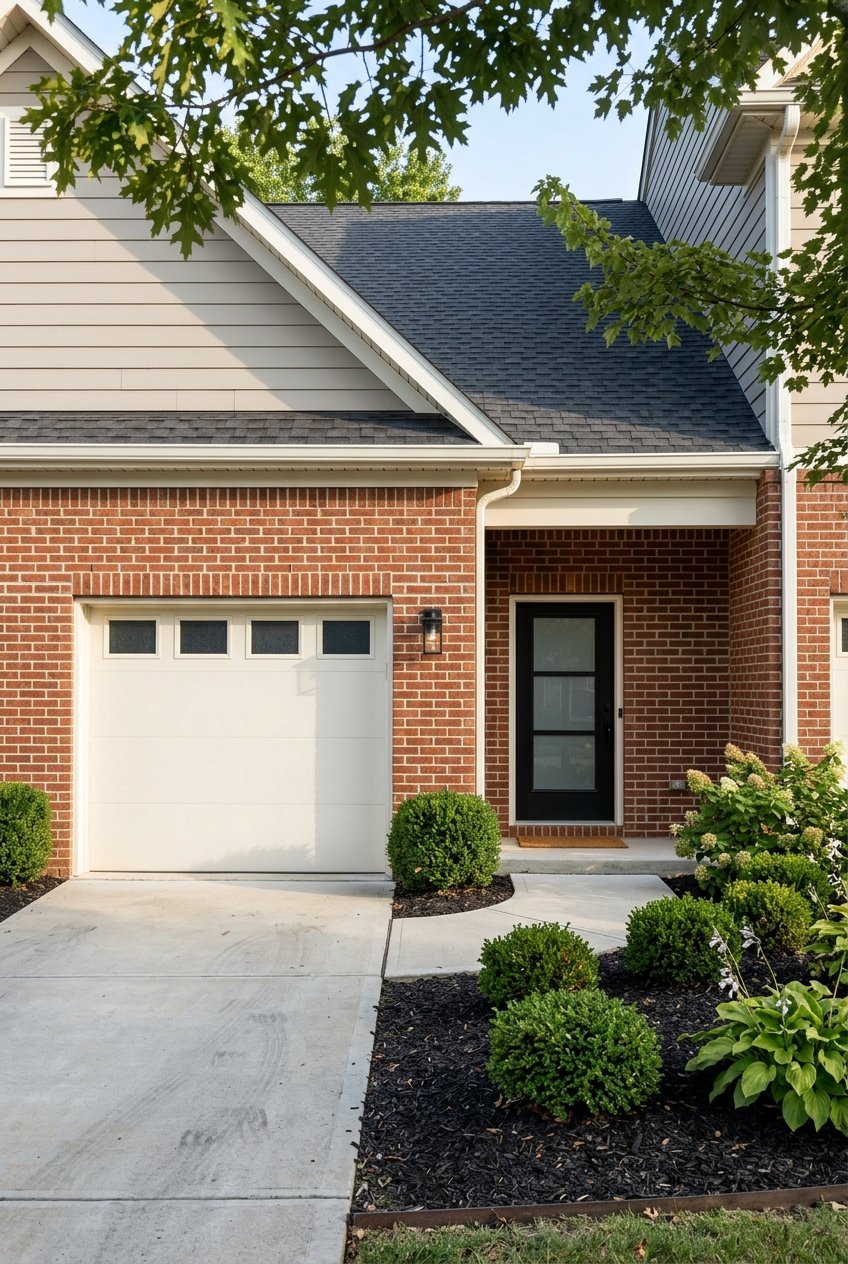
Townhomes often feel more like a traditional house while still offering some shared maintenance support. Ownership can include the structure and the land it sits on, but the exact setup depends on the governing documents for that community.
In practical terms, townhomes usually sit in the middle of the low-maintenance spectrum. You may get HOA support for shared areas and neighborhood standards while still taking on more direct responsibility than you would in many condo communities.
Villas
In the St. Charles market, “villa” is usually a marketing term rather than a separate legal category. It often signals a low-maintenance lifestyle, but it does not tell you exactly how ownership or maintenance is structured.
That is why villa buyers should look closely at the recorded documents. One villa community may include landscaping and exterior care through the association, while another may place more responsibility on the owner.
What you may still maintain
Low-maintenance does not mean no maintenance. Even in communities with strong association support, you still need to understand what belongs to you and what belongs to the association.
For Missouri condos, the unit owner is generally responsible for the unit itself, while the association handles the common elements. In townhome and villa settings, the split can vary more, so the governing documents become especially important.
Here are a few areas to clarify before you buy:
- Roof responsibility
- Exterior walls and siding
- Landscaping and lawn care
- Snow removal
- Driveways, patios, and decks
- Common areas and shared amenities
- Trash, water, or sewer coverage
- Insurance responsibilities
What HOA dues often cover
The trade-off for reduced upkeep is usually a monthly HOA or condo fee. Those dues may fund landscaping, routine maintenance, neighborhood upkeep, shared amenities, and reserve funds for longer-term improvements.
In some communities, fees may also help cover exterior repairs, common areas, water, sewer, trash, recreational amenities, insurance, and reserve funding. Fees can rise over time, so it helps to look at both the current monthly amount and the financial health of the association.
Why insurance details matter
Insurance is one of the easiest details to overlook in a low-maintenance community. In many cases, the association carries a master policy, but that does not mean it covers everything inside your home.
You should confirm what the master policy covers and what you would need to insure separately. That simple step can prevent surprises later and help you compare one community to another more accurately.
Don’t forget property taxes
Monthly dues are only one part of the ownership picture. Property taxes still apply in low-maintenance communities, so they should be part of your budget from the start.
In Missouri, residential real property is assessed at 19 percent of true value in money, and assessments are generally tied to January 1 in odd-numbered years. That means your HOA fee and your property tax bill should be viewed as separate costs when you plan for monthly and annual ownership expenses.
Why St. Charles fits this lifestyle
St. Charles works especially well for buyers who want a simpler homeownership routine without losing a strong sense of place. The city describes itself as a restored historic city on the Missouri River, and it offers a mix of neighborhood charm, outdoor access, and community activity.
The local parks system includes 23 city parks, aquatic facilities, and community programs. St. Charles also supports a recurring market on Main Street and continues improvements along the Riverwalk and Katy Trail corridor, which adds to the appeal for buyers who value convenience and connection.
That local setting matters because many low-maintenance buyers are not only thinking about the home itself. You may also be looking for easy access to trails, parks, historic Main Street, and events that keep you connected to the community without adding more work at home.
How to evaluate resale potential
When you buy in a condo, townhome, or villa community, resale depends on more than the features inside your home. Buyers and lenders often pay close attention to the health of the association and the condition of the community.
For condos in particular, lenders may review the physical condition of the property, financial stability, outstanding debts tied to structural integrity, pending lawsuits, and required inspections. Reserve funds and special assessments can also shape buyer confidence and financing options.
That means a well-run community can support long-term value more effectively than a community with deferred maintenance or unclear financial planning. If you are comparing several properties in St. Charles, this is one of the most important areas to study.
Questions to ask before you buy
A low-maintenance home should make life easier, not more confusing. Before you move forward, ask clear questions so you know exactly how the community operates.
Use this checklist when touring a condo, townhome, or villa in St. Charles:
- What do the monthly dues cover?
- Who handles roofs, exteriors, landscaping, and common areas?
- How much is in reserves?
- Are any special assessments planned?
- What does the master insurance policy cover?
- Are there restrictions on pets, rentals, parking, or exterior changes?
- Is parking assigned?
- Is the community renter-friendly?
What sellers should keep in mind
If you are selling a low-maintenance property in St. Charles, buyers will likely look beyond finishes and floor plans. They will also want clarity around fees, maintenance responsibilities, reserves, and community rules.
Properties tend to show more confidently when those details are easy to understand. Clear documents, transparent costs, and a strong presentation can help buyers feel comfortable with both the home and the community behind it.
Whether you are narrowing down your next move or preparing a property for the market, thoughtful guidance can make all the difference. If you want help evaluating low-maintenance living options in St. Charles, connect with Boutique Realty for a personalized, high-touch real estate experience.
FAQs
What does low-maintenance living in St. Charles usually include?
- Low-maintenance living in St. Charles usually means an association handles some combination of exterior upkeep, landscaping, snow removal, common areas, or shared amenities, depending on the property’s ownership structure and governing documents.
What is the difference between a condo and a townhome in St. Charles?
- In general, condos involve separate ownership of your unit with shared ownership of common elements, while townhomes often feel more house-like and may include ownership of the structure and land, though the exact arrangement depends on community documents.
Are villas in St. Charles a separate legal property type?
- Usually no. In the St. Charles market, “villa” is typically a marketing term, so you should verify whether the property is fee simple, condo-style, or another ownership structure in the recorded documents.
What should HOA dues cover in a St. Charles low-maintenance community?
- HOA dues may cover items like landscaping, routine maintenance, common areas, shared amenities, reserve funding, and sometimes utilities or insurance, but the exact coverage varies by community.
What questions should buyers ask about a St. Charles HOA or condo association?
- Buyers should ask what the monthly dues cover, who handles major exterior items, how much is in reserves, whether special assessments are planned, what the master insurance policy covers, and whether there are restrictions on pets, rentals, parking, or exterior changes.
Why does association health matter for resale in St. Charles?
- Association health matters because buyers and lenders may review the condition of the community, reserve funds, financial stability, and any planned assessments or legal issues, all of which can affect confidence and financing.