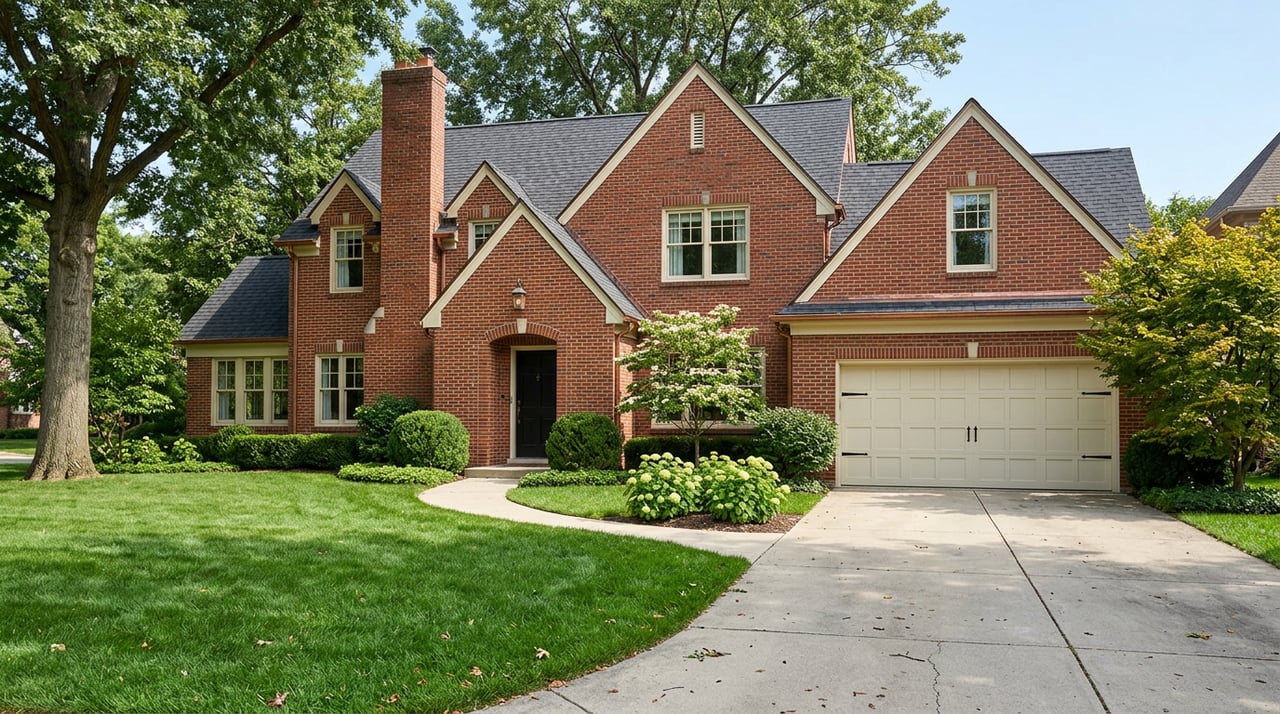
Are you ready to trade your starter or mid-range home for more space, privacy, and comfort in Town and Country? A move-up purchase here can be incredibly rewarding, but timing, financing, and product choice matter more in this market than most. With a clear plan, you can sell well, buy smart, and land the right home without unnecessary stress. This guide walks you through local context, timelines, financing tools, established streets vs new construction, budgeting, and a practical checklist to keep you on track. Let’s dive in.
Town and Country market at a glance
Town and Country is an affluent, low-density suburb with a population around 11–12k and housing values well above the regional average. You will find a broad range of homes, from condos to multi-million-dollar estates, so price data often varies by source and small sample sizes. Zillow’s observed home-value index for Town and Country was roughly $1.09M as of January 31, 2026, while some recent sold-price snapshots in 2025 reported higher medians depending on product and timeframe. Expect a wide range by property type and micro-market.
Market pace shifts month to month. Some periods see well-priced, turnkey homes go under contract quickly, while unique or highly customized estates take longer. Typical contract-to-close periods run about 30–45 days for financed purchases, and new construction can extend timelines by months. Keep your strategy flexible and align your plan with current conditions.
- For background on community profile and housing values, review the city’s Census/ACS overview.
- For general timing expectations from contract to close, see market snapshots in Rocket’s local report.
Choose your timing strategy
A move-up purchase usually means coordinating a sale and a purchase at once. The right path depends on your risk tolerance, cash flow, and the kind of home you want.
Sell first for certainty
Selling first is the safest cash-flow approach. You eliminate the risk of carrying two mortgages and know exactly what you can spend. The tradeoff is lining up temporary housing or negotiating a short rent-back after closing. Expect 2–6 weeks for pre-list prep and staging, variable days on market, then 30–45 days from contract to close.
- Pre-list inspections and targeted cosmetic updates help you avoid renegotiations later. Staging can reduce time on market and lift offers, according to NAR’s staging findings.
Buy first to compete
Buying first makes your offer stronger, especially on sought-after homes where sellers prefer non-contingent deals. You will need liquidity to cover the down payment and possibly carry two loans until your current home sells. Bridge loans and HELOCs are the most common tools here.
- A bridge loan primer from Bankrate explains how short-term financing can help you write a non-contingent offer and what it costs.
- For a side-by-side look at HELOCs vs bridge loans, see this comparison.
New construction path
If you want modern layouts, energy efficiency, and builder warranties, consider new or infill options in Town and Country. Build windows often run 3–12 months or more depending on scope, so plan your sale and temporary housing accordingly. Product in these communities may be denser than traditional estates and governed by HOA or planned development rules.
- The city uses planned development approvals that shape density, uses, and design standards. Review conditions in the municipal code for due diligence using Town and Country’s PD/MUD code.
Financing tools for move-up buyers
Getting pre-approved with a lender who understands your bridge plan makes you more agile when the right home hits. Here are common tools and when they fit.
Bridge loan
A bridge loan is short-term financing that helps you buy before you sell. It is fast and can fund a competitive, non-contingent offer. Expect higher fees and interest than traditional mortgages. This is best when you have strong equity and need to eliminate a sale contingency to win. Learn more in Bankrate’s guide.
HELOC
A home equity line of credit taps your current home’s equity for a down payment or carrying costs. It is usually more flexible and often lower-cost than a bridge loan, but it can take time to set up and may be reduced if your profile changes. See a helpful overview of HELOC vs bridge loan tradeoffs.
Piggyback structures and cash
Some buyers use piggyback loans to reach 20 percent down or create flexibility. Others use equity proceeds to make larger down payments or all-cash offers. National reporting has shown a meaningful share of repeat buyers using equity or cash in recent years, which can strengthen your negotiating position.
Established streets vs new build
You will find two broad paths in Town and Country: established streets with larger lots and mature trees, and newer or infill construction with modern systems and lower maintenance.
Established streets: character and privacy
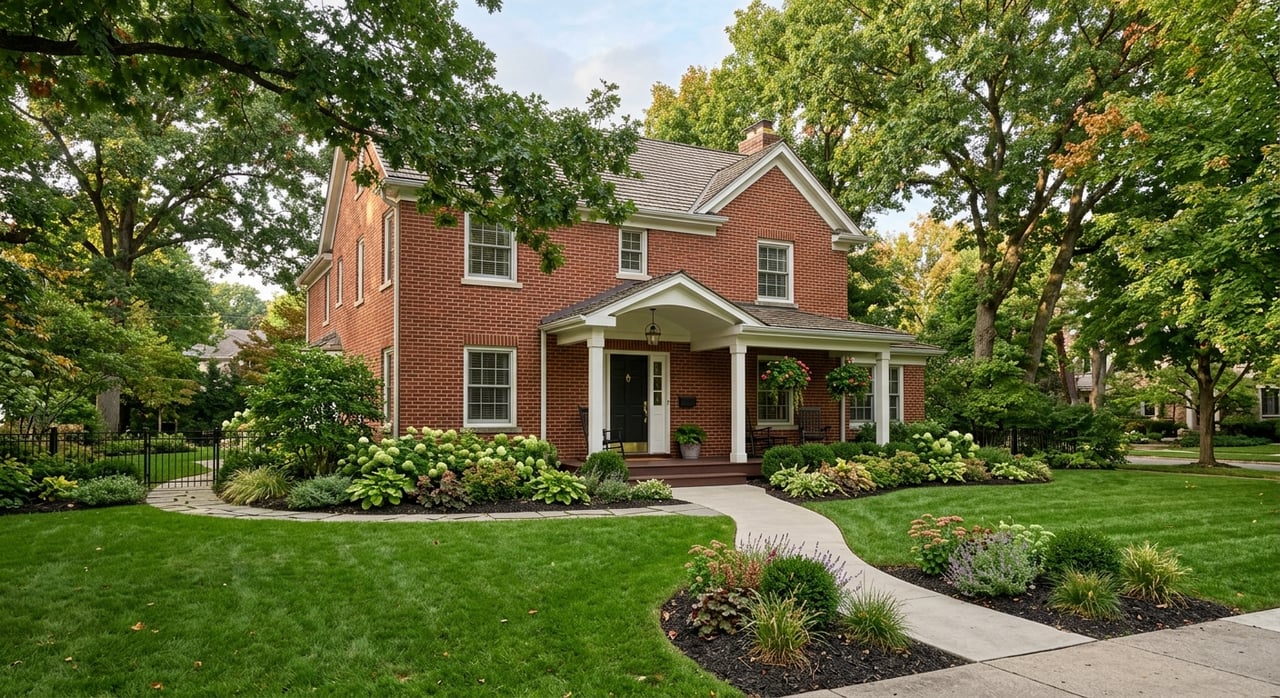
Buyers choose established streets for acreage, privacy, and immediate occupancy. Many homes offer custom details and deep setbacks that create a calm, private feel. The tradeoffs often involve older roofs, windows, and mechanicals, plus drainage or landscaping maintenance on larger lots. If you are considering updates, get bids and a realistic timeline early. For renovation planning context, see this appraiser perspective on renovation ROI and timelines.
New construction and infill: modern and low-maintenance
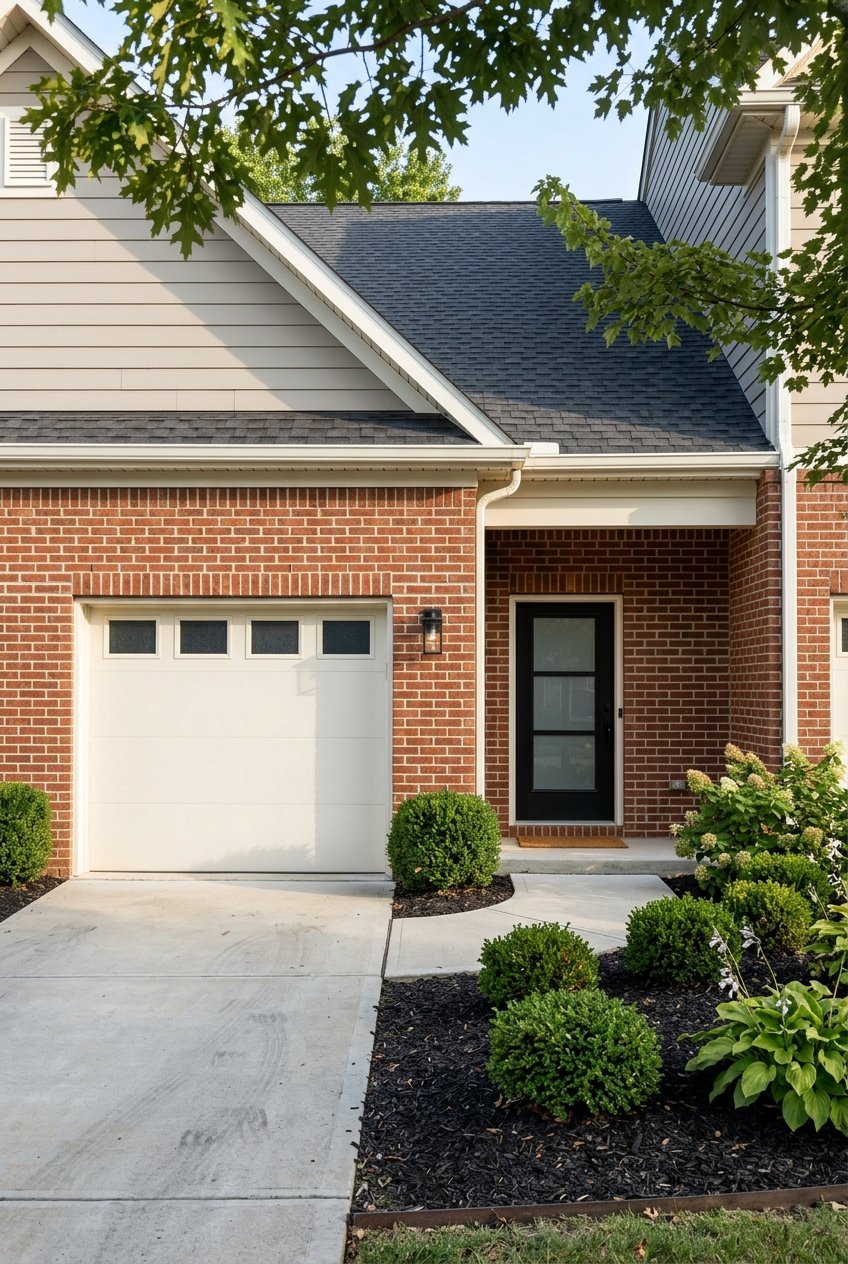
Newer product brings open plans, energy efficiency, technology integration, and builder warranties. Some recent Town and Country projects include mixed-use or condo and townhome formats that provide a lower-maintenance lifestyle close to amenities. You will often see HOA rules and smaller lots than traditional estates, plus builder premiums.
- To get a sense of what infill can look like locally, review the Woods Mill Crossing community by McBride Homes here. Confirm timelines, allowances, and HOA details during due diligence.
- PD approvals shape what can be built and the community’s design framework. Check relevant conditions in the city’s PD/MUD code.
Map your non-negotiables
List your top three must-haves, then match them to product type. Examples: lot size and privacy usually point to established streets, while low maintenance and brand-new systems favor newer builds or condos. If proximity to specific public or private schools is a priority, confirm the exact address boundaries for the property. For district context in much of the city, see the Parkway C‑2 overview.
Budget smart and avoid regrets
A clear budget reduces stress and keeps you focused on the right homes.
Plan for these cost buckets
- Purchase price and down payment. Many move-up buyers use equity from a sale or a bridge tool to compete.
- Buyer closing costs and lender fees. These often range from roughly 2–5 percent of the loan or purchase amount depending on loan type and local fees.
- Seller costs when you list. Plan for agent commission, closing-side fees, and any repair credits negotiated after inspections.
- Property taxes and assessments. Missouri sets residential assessment at 19 percent of market value, then local levies determine the actual bill. Two similar homes can have different tax bills depending on taxing districts. Learn about the assessment basis from the State Tax Commission here.
- Renovation and maintenance reserves. Older luxury homes often need roof, HVAC, electrical, or drainage work. As a planning heuristic, consider setting aside several percent of the home’s value annually for upkeep on estate properties, then refine using inspection results and contractor bids.
Must-have features locally
Buyers in Town and Country often prioritize lot size and privacy, finished lower levels with guest space, main-level primary suites, 3-car garages, high-function kitchens and primary baths, strong mechanicals and backup power options, and proximity to local schools. Larger lots deliver privacy, but they also add maintenance demands. Decide in advance what you will trade to reach your top goals.
Common trade-off regrets
- Underestimating renovation scope on older estates. Get firm bids after inspections and build a realistic timeline. Here is a useful renovation ROI and timing overview.
- Choosing only by the house, not the location. Confirm commute patterns and exact school boundaries for the address. Use the Parkway C‑2 context as a starting point.
- Signing a new-construction contract without clear allowances or timelines. Review HOA rules, change-order policies, and city PD conditions in advance using the municipal code.
Quick starter checklist
Use this to kick off planning and stay organized.
- Confirm target school district boundaries for specific addresses using district resources. Start with the Parkway C‑2 overview.
- Get a lender pre-approval that includes your bridge strategy or HELOC option. Read Bankrate’s bridge loan primer.
- Order a pre-list inspection and tackle high-impact fixes. Staging can improve speed and outcomes per NAR’s staging report.
- Decide sell-first vs buy-first with your agent and lender. If buy-first, price out a worst-case of 6–12 months of carry. See HELOC vs bridge loan considerations.
- If considering new construction, review PD approvals and site plans in the Town and Country code and confirm builder timelines in writing.
Sample timelines
These templates give you a sense of flow. Your exact plan should reflect current inventory and your financing strategy.
- Sell first, conservative path: 2–6 weeks of pre-list prep and staging → List and market the home (time to contract varies by product and pricing) → 30–45 days to close → move into short-term housing or negotiate rent-back → shop, write, and close on the new home with proceeds in hand. Staging can shorten days on market per NAR’s findings.
- Buy first, competitive path: secure bridge or HELOC pre-approval → tour and write a strong, possibly non-contingent offer → close in about 30–45 days → list your current home immediately with pre-list inspection and strategic prep to reduce fall-through. Use Bankrate’s bridge loan guide for cost planning.
- New construction, planned build: confirm PD status and HOA rules → lock design allowances and change-order policies → expect a 3–12+ month build window → plan temporary housing or rent-back → time your sale to avoid carrying too long. Review community rules in the municipal code.
How Boutique Realty helps
You deserve a calm, coordinated move-up experience. Our team pairs design-forward listing prep and staging with data-driven pricing, targeted digital marketing, and steady negotiation. We help you map the right timing strategy, secure a lender plan that supports your goals, and compare established streets to new construction so you buy with confidence.
- Listing concierge: strategic pre-list inspection guidance, professional staging, photography, and video to maximize appeal.
- Market intel: hyperlocal comps and micro-market read on days on market, pricing, and recent concessions.
- Offer strategy: timeline management, rent-back options, and non-contingent offer support when it makes sense.
- New construction review: due diligence on PD conditions, HOAs, timelines, and allowances.
Ready to plan your move-up in Town and Country with a trusted local team by your side? Connect with Boutique Realty to get your strategy in motion and Get Your Instant Home Valuation.
FAQs
What price range should I expect for Town and Country move-up homes?
- Prices vary widely by product type and timing, from upper mid-six figures for some condos or smaller homes to multiple millions for estates. Recent indexes showed roughly $1.09M for the city’s observed home value as of January 31, 2026, but medians shift with small sample sizes and listing mix.
How do I decide between selling first or buying first in this market?
- Selling first reduces risk and clarifies your budget, but you may need temporary housing. Buying first increases competitiveness for in-demand homes but requires liquidity or a bridge tool and comfort carrying two loans for a period. Choose based on risk tolerance and current inventory.
What is a bridge loan, and how does it compare to a HELOC?
- A bridge loan is short-term financing that helps you buy before you sell, usually with higher fees and interest, while a HELOC is a flexible line of credit against your current home that can be cheaper but takes time to set up. See Bankrate’s guide and this HELOC vs bridge comparison.
How are property taxes calculated in Town and Country?
- Missouri assesses residential property at 19 percent of market value, then local levies apply to determine the final tax bill. Two similar homes can have different totals based on taxing districts. Learn more from the State Tax Commission here.
What should I look for in new construction contracts locally?
- Confirm build timelines, allowances, change-order policies, HOA rules, and any city planned development conditions that apply to the community. You can review PD/MUD conditions in the Town and Country municipal code.
How long does it take to close once I am under contract?
- For financed purchases, plan on about 30–45 days from contract to close, with longer timelines possible for complex title issues or new construction. For a market overview, see Rocket’s local snapshot.