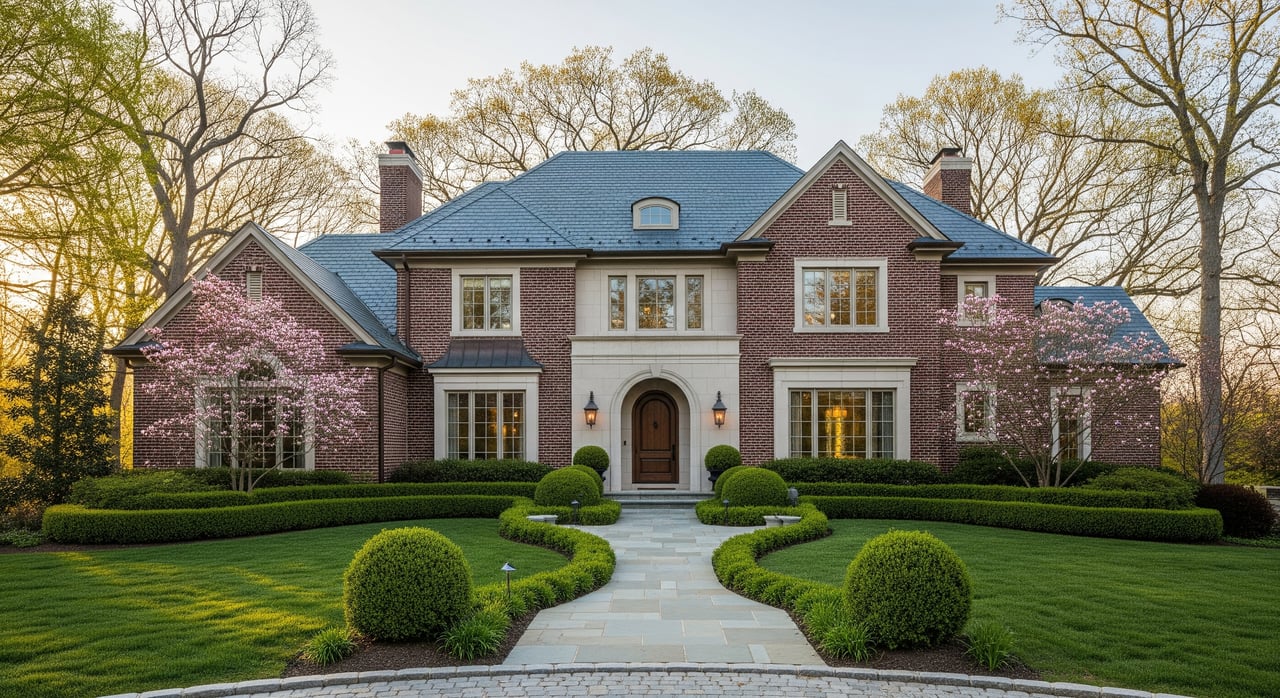
Thinking about selling your Chesterfield home but unsure when to hit the market? Timing can influence how fast you sell and the offers you attract. You want a plan that fits your goals, your timeline, and the realities of our local seasons. In this guide, you’ll learn how the market in Chesterfield typically moves through the year, how to plan your prep 3 to 6 months out, and which seasonal strategies help you list with confidence. Let’s dive in.
Best months to list in Chesterfield
Chesterfield follows a clear seasonal rhythm. Spring is usually the strongest demand window in the St. Louis area. More buyers are out, showings pick up, and homes often sell closer to list price. If you want to maximize your potential price, aim for a polished launch in spring.
Early summer stays active, though more sellers often join the market. That extra inventory can create more competition. Late summer into early fall brings a secondary wave as families and relocating buyers try to move before the school year settles, which can work well if you miss spring. Late fall and winter see fewer buyers, longer timelines, and more conservative pricing.
Here is the simple way to think about it:
- Spring: highest buyer activity and strong pricing power.
- Early summer: still strong, but inventory usually peaks.
- Late summer to early fall: smaller second peak with motivated buyers.
- Late fall to winter: slower conditions that require sharper pricing and standout presentation.
Chesterfield seasons and buyer behavior
Chesterfield experiences four distinct seasons. Spring brings green lawns and flowers, which is ideal for exterior photos and in-person curb appeal. Summer offers long daylight hours for showings, though heat and humidity can affect attendance. Fall color looks great in photos and in person, while shorter days call for better lighting. Winter weather can slow showings and reduce exterior appeal unless you plan staging and lighting carefully.
Buyer mix matters, too. Our area includes many households who prefer to move before a new school year starts. This adds momentum to spring and early summer and creates that smaller late summer to early fall wave. If your closing date can align with summer, highlight that flexibility in your marketing.
Your 3 to 6 month prep plan
If you want a successful spring or early summer launch, begin planning well in advance. Use this timeline as a starting point and adjust for your home’s condition and your goals.
Immediate: weeks 0 to 2
- Get an initial valuation and a strategy session.
- Walk the home with a priority list of repairs and updates.
- Create a declutter plan and identify storage solutions.
- Source reliable local contractors and schedule bids.
- Consider a pre-listing inspection if you want fewer surprises later.
Short term: weeks 2 to 6
- Handle urgent repairs like roof leaks, HVAC service, or electrical issues.
- Paint high-impact rooms in neutral colors.
- Deep clean, including carpets and grout, and remove personal items.
- Replace dated light fixtures and hardware for a quick refresh.
- Improve lighting with brighter bulbs and added lamps where needed.
Medium term: weeks 6 to 10
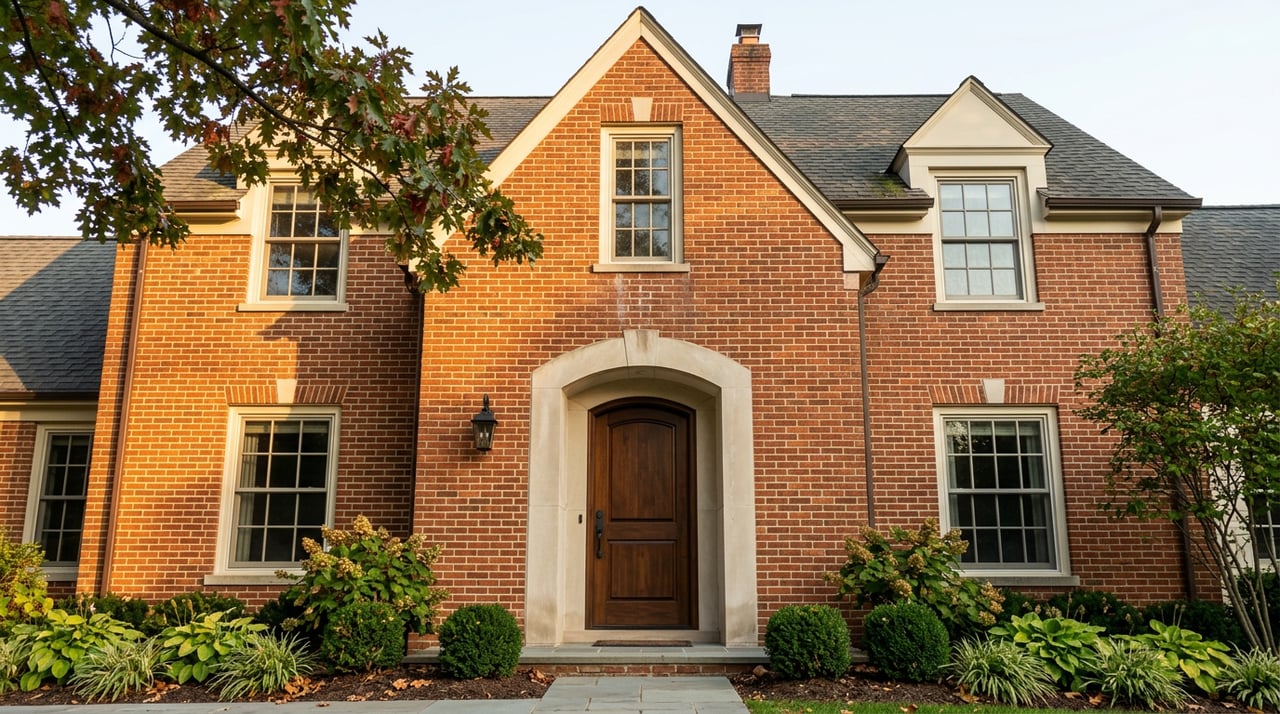
- Boost curb appeal with fresh mulch, trimmed shrubs, and power-washed surfaces.
- Make minor kitchen or bath updates, like new faucets or cabinet pulls.
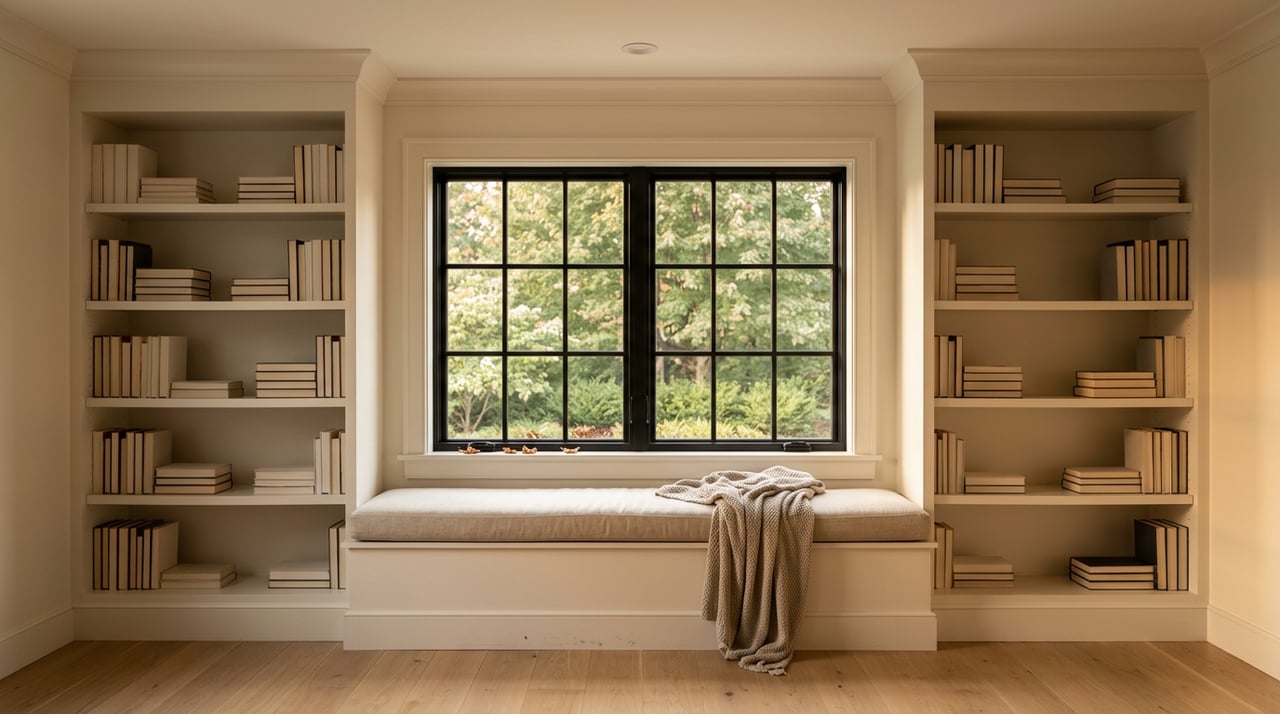
- Plan and install staging that fits your home’s style and size.
- Reserve professional photography for 1 to 2 weeks before listing.
Final two weeks before launch
- Complete cosmetic touch-ups and final cleaning.
- Finalize staging and styling.
- Capture professional photography and video, including twilight shots if helpful.
- Work with your agent to finalize pricing, disclosures, and launch timing.
Seasonal curb appeal checklist
Spring
- Clear winter debris, edge beds, and add fresh mulch.
- Plant flowers and fresh greenery.
- Power wash siding, walkways, and patios.
- Touch up exterior paint and clean windows.
Summer
- Keep the lawn watered and freshly mowed.
- Service the AC and show maintenance records.
- Stage patios, decks, and pools for outdoor living.
- Repair or replace damaged screens and ensure windows open smoothly.
Fall
- Rake leaves promptly and clear gutters.
- Add warm, neutral outdoor accents.
- Stage with fall-color photos if they flatter your landscape.
- Check exterior lighting ahead of earlier sunsets.
Winter
Keep driveways and paths clear and safe.
Use warm interior staging and layered lighting for photos and showings.
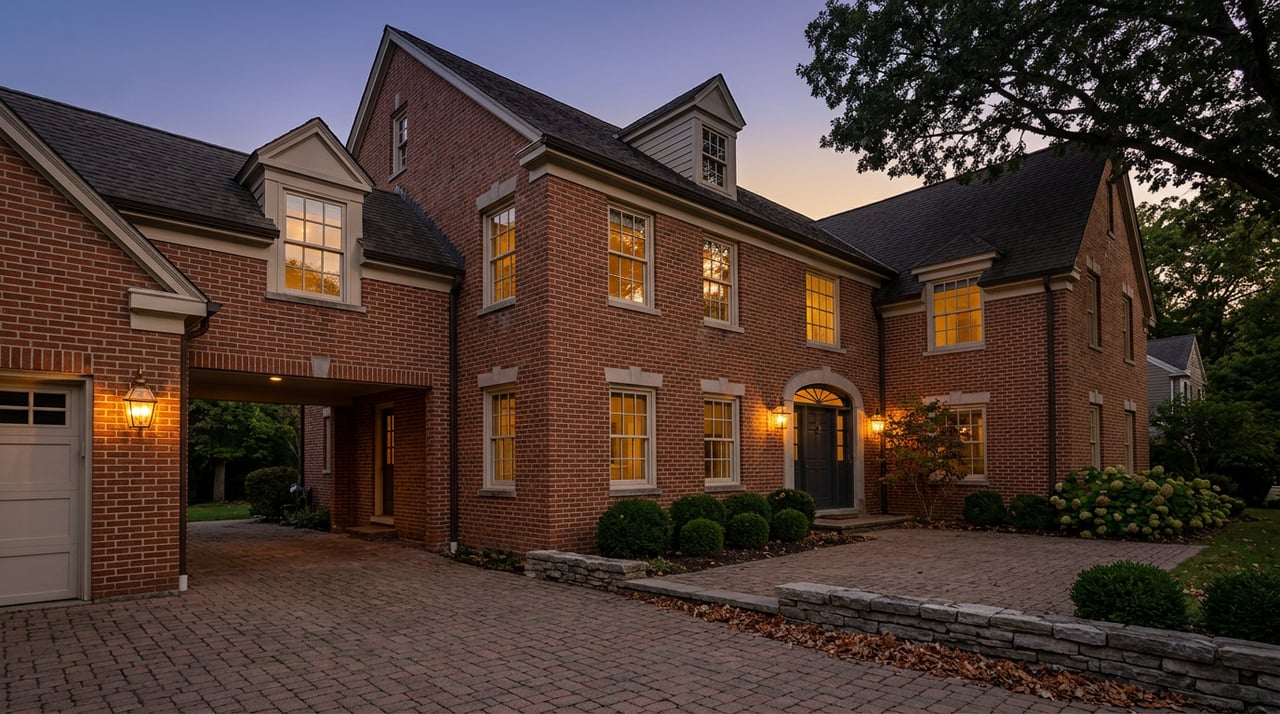
Consider twilight photos to showcase exterior lighting.
Highlight energy-efficient features and recent maintenance.
Timing and pricing tactics that work
Your pricing approach should match the season and your goal.
- Spring: Buyer demand is typically highest, so you can list closer to your desired price. Use a tighter pricing strategy and let the first two weeks set the tone.
- Early summer: With more competing listings, decide whether you will price to stand out or position as a premium option with superior presentation.
- Late summer to early fall: Keep pricing realistic, but expect motivated buyers to respond to well-staged homes.
- Late fall to winter: Start with conservative pricing and consider incentives, such as a credit for closing costs or flexible possession terms, to maintain momentum.
For any season, focus on the launch. The first 7 to 14 days after you list are prime. Ensure your photography, video, staging, and online distribution are ready to go on day one. Consider pre-market exposure if your MLS permits it to build interest and gather early feedback.
How to choose your best listing window
Pick a target month based on your goal.
- Maximize price: Aim for spring. Back into that date by starting prep 6 to 12 weeks ahead.
- Fastest sale: Target the months with lower days on market, commonly spring. Price competitively and stage thoroughly.
- Smooth process: If you cannot be ready for spring, late summer or early fall can be next best. If you need to sell in winter, lean into strong pricing, standout staging, and flexible terms.
If you have a specific move date in mind, work backward. A typical closing period is about 30 to 45 days after you go under contract. That means a July move often starts with a May or early June list date and prep beginning in March or April.
What to watch before you list
Market conditions change during the year. Before you set a date, review a few signals with your agent.
- Months of supply: Rising inventory can point to more competition for sellers.
- New listings and pendings: Watch how quickly new properties go under contract.
- Mortgage rates: Higher rates can reduce the buyer pool and shift price sensitivity.
- Local comps: Look at recent Chesterfield listings similar to yours and whether they met, exceeded, or reduced from list price.
Use at least 24 months of local data when possible so you see actual seasonality rather than one-off spikes. A custom report focused on Chesterfield will give you the clearest picture of the best months to list and how long you can expect to be on the market.
A note on photos and marketing timing
If you want the greenest exterior photos, plan for late April through June. If your landscape shines in fall, mid-September through October can be beautiful. If you must list in winter, prioritize interior photography and video. Twilight images and layered lighting can add warmth and depth when curb appeal is muted.
Bringing it all together
You will have the most leverage when your home is fully prepared and your launch aligns with peak buyer activity. For many Chesterfield sellers, that means planning 8 to 12 weeks ahead of a spring or early summer list date. If your situation calls for late summer, early fall, or winter, you can still win with disciplined pricing, thoughtful staging, and well-timed marketing.
When you are ready, a well-organized plan will keep everything on track: clear prep steps, proven pricing strategies, and a media package that shows your home at its best. That combination helps you sell faster and with stronger terms in any season.
Ready to lock in your timeline and build a data-backed plan for your address? Let our design-forward team craft your prep calendar, pricing strategy, and elevated marketing so your home stands out from day one. Get started with Boutique Realty.
FAQs
When is the best time to list a home in Chesterfield?
- Spring is typically the strongest window for demand and pricing, with a smaller second peak in late summer to early fall.
How far in advance should I start prepping to sell?
- Begin 8 to 12 weeks before your target list date for repairs, updates, staging, and photography.
Can I sell my home in winter in Chesterfield?
- Yes, but expect fewer buyers and longer timelines; lean on strong pricing, staging, and lighting to attract serious buyers.
How do mortgage rates affect my listing timing?
- Higher rates can reduce buyer demand, so watch local activity and adjust pricing, incentives, or timing with your agent.
How does the school calendar impact buyer activity?
- Many households prefer to move before a new school year, which boosts activity in spring and early summer and creates a smaller late summer to early fall surge.