If you are preparing an estate-style property for sale in Frontenac, the details matter more than ever. In a market where large lots, custom architecture, and mature landscaping shape first impressions, buyers notice condition, care, and presentation right away. The good news is that you do not need to guess your way through the process. With the right prep plan, you can bring out your home’s strengths, reduce surprises, and launch with confidence. Let’s dive in.
Why Frontenac prep is different
Frontenac is not a one-size-fits-all market. Local snapshots show a median listing price around $1.6 million, with 19 homes for sale and a median 36 days on market. Nearby Ladue, another premium submarket, recorded a median sale price of about $1.3 million over the last three months, with homes averaging 7 days on market.
Those figures are directional, not directly comparable, but they still tell you something important. Buyers in this part of St. Louis County are often shopping with high expectations, and presentation plays a major role in how quickly a property earns attention. When your home sits on a larger lot and carries more architectural presence, every visible detail has more room to stand out.
Frontenac’s zoning also supports that estate-style character. The city’s land-use standards include one-acre minimums in R-1 districts and significant green-space requirements. That context helps explain why the full setting of a property, not just the interior finishes, often influences buyer response.
Start with condition, not cosmetics
Before you think about paint colors or decor, focus on the home’s overall condition. A clean, well-maintained property sends a stronger message than trend-driven updates that do not fit the house. In estate-style homes, buyers often notice exterior symmetry, landscaping, rooflines, and maintenance history before they focus on smaller cosmetic choices inside.
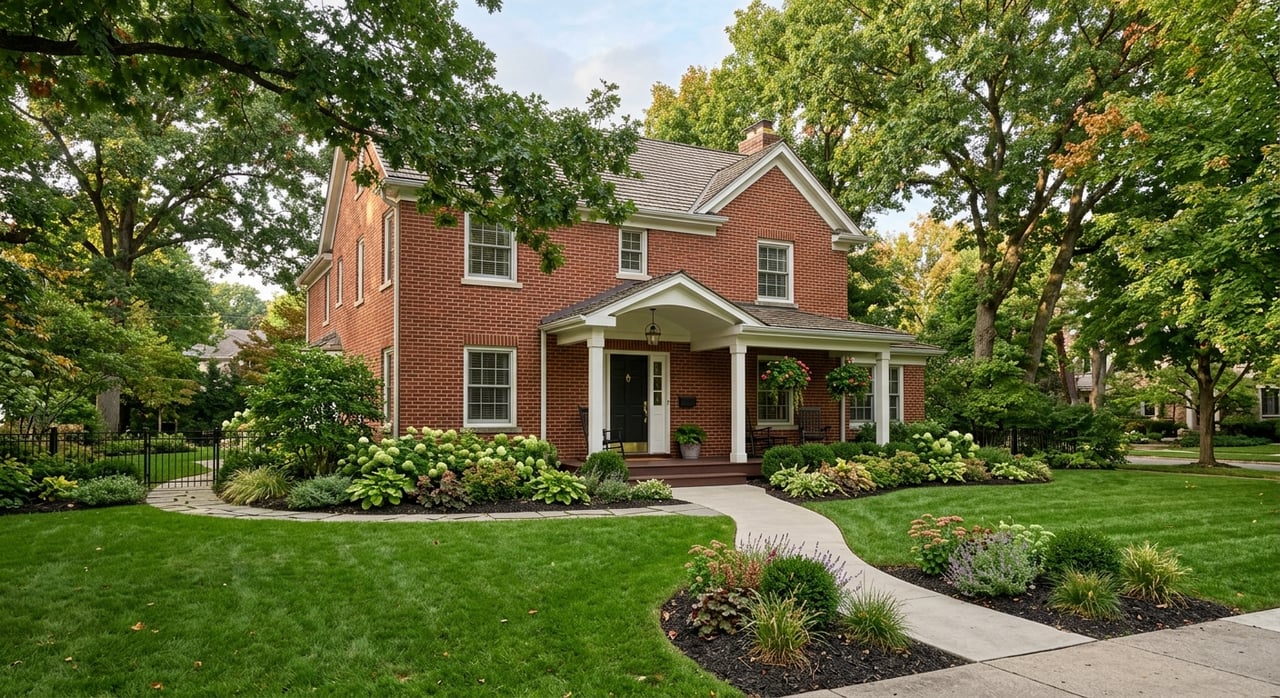
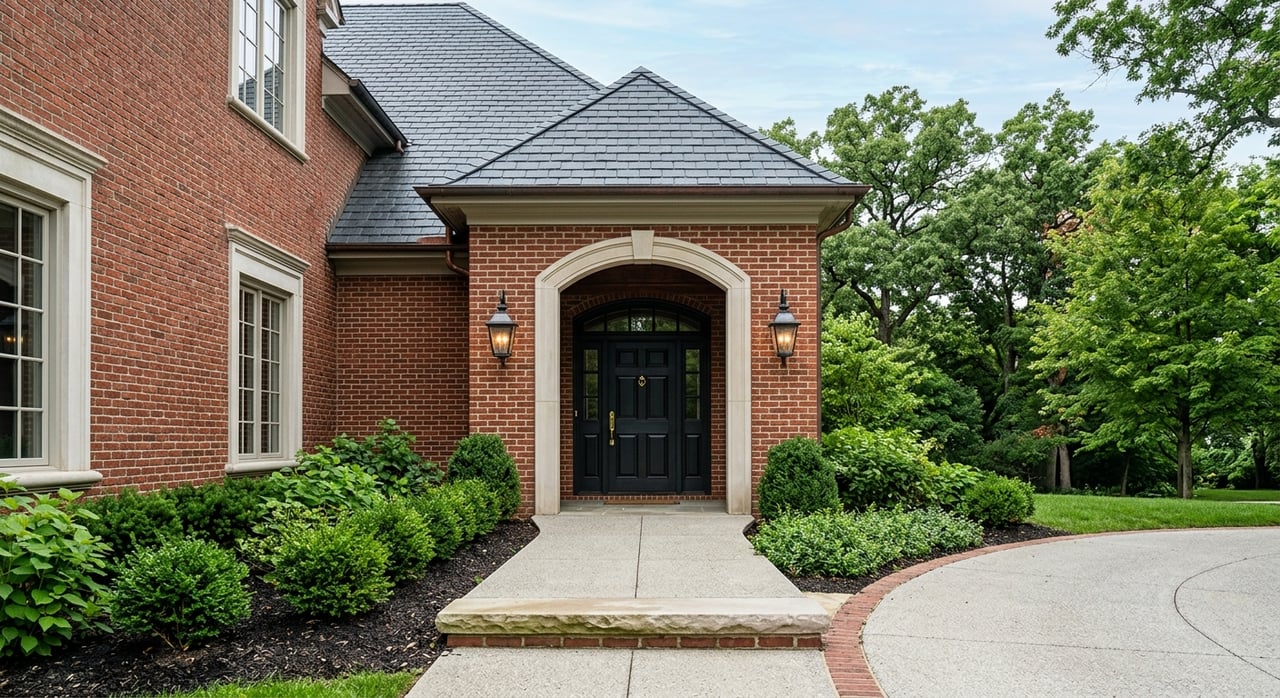
A practical first step is to walk the property as if you were seeing it for the first time. Pay attention to the drive in, the front approach, the entry sequence, and the rear grounds. If the home feels cared for from the street to the backyard, that confidence tends to carry into the rest of the showing.
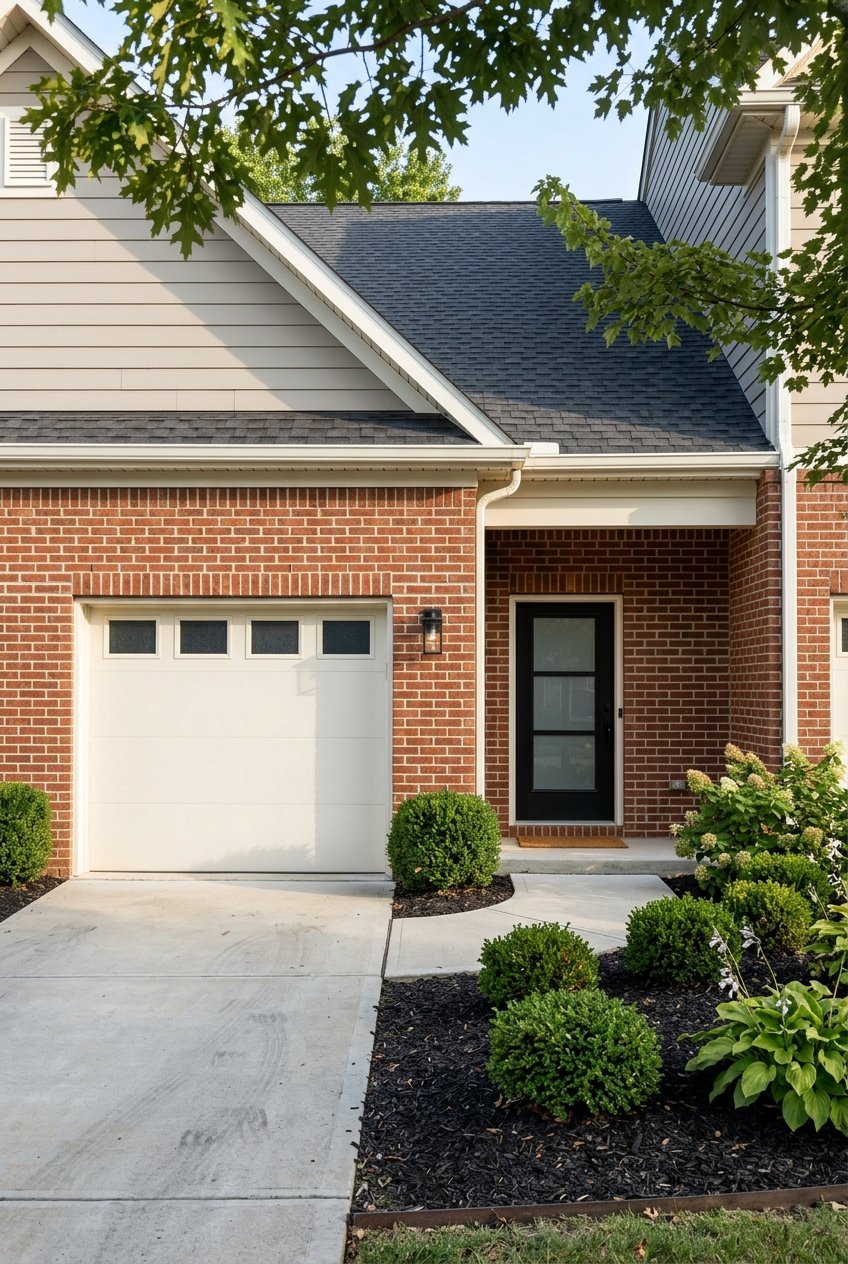
NAR guidance for sellers supports this order of operations. Start with cleanliness, decluttering, window and carpet cleaning, lighting fixtures, and wall refreshes. On the exterior, curb appeal improvements like landscaping, the front entrance, and paint can make a meaningful difference.
Consider a pre-sale inspection
A pre-sale inspection is optional, but it can be a smart move when you are selling a larger or more customized home. According to NAR, it can identify issues related to the structure, exterior, roof, plumbing, electrical, HVAC, interiors, ventilation, insulation, and fireplaces. It may also include tests for mold, radon, lead paint, and asbestos when relevant.
The value is not just in finding problems. It is in finding them early, before a buyer uses them to renegotiate or delay the sale. If an issue appears, you have time to decide whether to repair it, price around it, or document it clearly.
This is also a good time to gather system records. NAR recommends locating warranties, guarantees, and user manuals for systems and appliances that will stay with the home. For estate properties with more specialized features, organized documentation can reassure buyers and make the transaction feel smoother.
Clean up permits and project records
If your home has been updated over the years, now is the time to organize the paper trail. Missouri law says a seller’s agent does not have to conduct an independent inspection or verify a client’s statements, so you should not assume someone else will reconstruct the home’s renovation history for you. Having records ready can help avoid questions later.
In Frontenac, many projects require permits. The city notes that permits may be needed for basement remodels, many kitchen and bath remodels, fences, decks, swimming pools, driveways, patios, pergolas, sunrooms, patio covers, and outdoor kitchens. Permit review often takes two to three weeks after Architectural Review Board approval, and the city’s application notes that only listed work is covered unless additional permits are obtained.
That means it is worth gathering:
- Permit documents for completed work
- Contractor invoices and scope summaries
- Product warranties and manuals
- Dates for major replacements like roof or HVAC
- Any Architectural Review Board approvals tied to exterior work
If you cannot find everything, start now. Even partial records are better than scrambling once your home is live.
Understand Missouri disclosure basics
Preparation is also about disclosure. Missouri law defines an adverse material fact as a physical-condition issue that negatively affects value, and licensees must disclose adverse material facts actually known or that should have been known. Missouri law also requires disclosure of prior methamphetamine production and certain related convictions, and separate law requires disclosure of previously contaminated premises when the seller knows of the contamination.
For homes built before 1978, federal lead-based paint rules also apply. Sellers must disclose known lead-based paint hazards, provide available records, share the required pamphlet, and give buyers a 10-day opportunity for inspection.
The takeaway is simple. If you know there is an issue, bring it forward early and handle it thoughtfully. Clear disclosures can build trust and prevent a manageable concern from becoming a bigger obstacle later.
Protect the home’s architecture
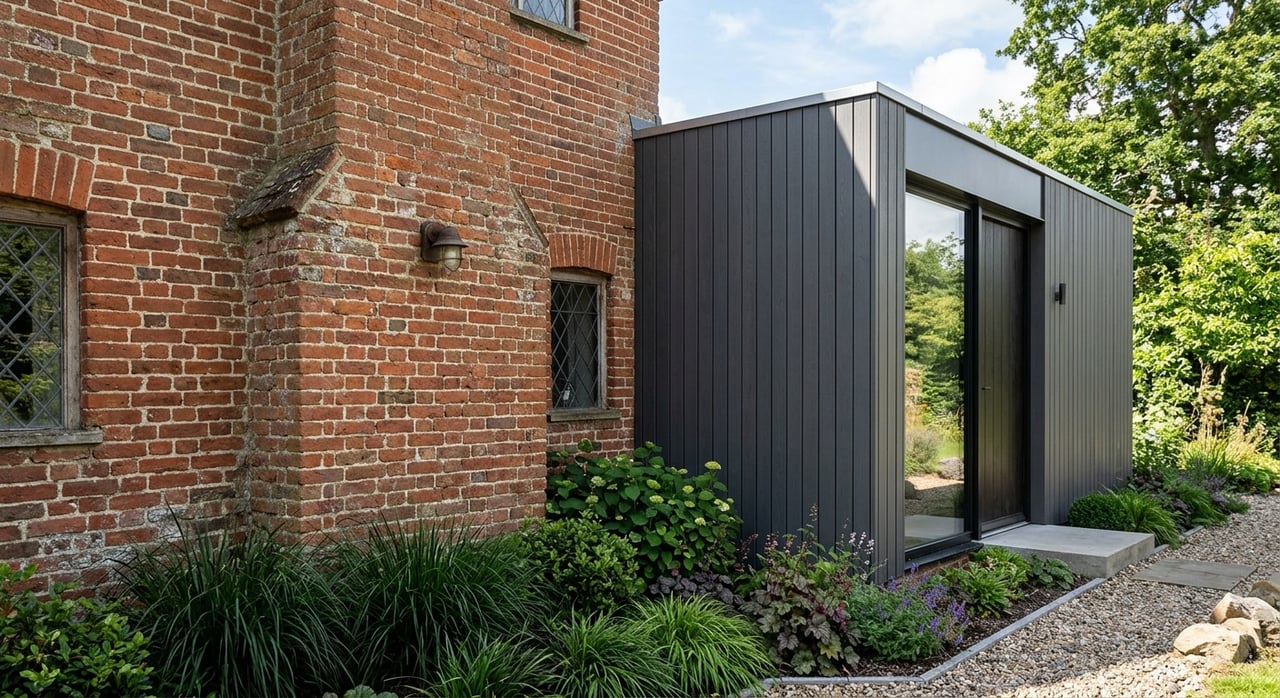
Not every update adds value in a presentation-sensitive market. In Frontenac and nearby Ladue, the strongest results often come from improvements that respect the original style of the house. Large homes on large lots usually perform best when the architecture remains the focal point.
Ladue’s Architectural Review Board guidelines emphasize compatibility, mature vegetation, and the character of fine estates and large homes. Frontenac’s zoning similarly protects lot size and green space. In practical terms, that means buyers may respond better to updates that feel appropriate to the home rather than overly generic or sharply trend-driven changes.
If you are deciding where to spend, think in terms of preservation and coherence. Refinish what is beautiful, repair what is tired, and refresh what distracts from the home’s scale and design. That approach often lands better than trying to make an estate property look like a new-build showroom.
Prioritize high-value improvements
If your home needs work, focus first on repairs and visible maintenance. NAR recommends getting cost estimates for significant items such as roofs, HVAC systems, and major appliances, even if you do not plan to replace them. That gives you better control over pricing and negotiation.
For many Frontenac sellers, the best pre-listing improvements include:
- Landscape cleanup and seasonal planting
- Front door and entry refresh
- Neutral wall touch-ups
- Window washing and carpet cleaning
- Lighting updates where fixtures feel dated or dim
- Mechanical servicing for HVAC and other major systems
- Minor masonry, trim, or paint repair on the exterior
Energy-efficiency updates can also support your marketing story when they are already due. NAR’s 2025 sustainability report found increasing interest in sustainable features, and 37% of agents cited windows, doors, and siding as the most important green-home features for clients. In an older estate home, updated windows or exterior envelope improvements can speak to comfort, draft reduction, and long-term upkeep.
Stage for scale and flow
Staging is not just for vacant homes. It helps buyers understand how rooms live, connect, and feel. In larger properties especially, thoughtful staging can make square footage feel intentional rather than overwhelming.
NAR’s 2025 staging report found that 83% of buyers’ agents said staging makes it easier for buyers to envision the property as a future home. The same report found that 49% of sellers’ agents said staging reduced time on market, while 29% reported a 1% to 10% increase in the dollar value offered.
The rooms most often staged were the living room, primary bedroom, dining room, and kitchen. In a Frontenac estate-style home, those spaces usually deserve the most attention because they anchor the first showing experience. The goal is not to overfill rooms, but to define proportion, function, and flow.
Invest in premium visual marketing
In a high-end market, visual media is not optional. Buyers often meet your property online first, and that first digital impression has to carry the home’s scale, setting, and design quality. Standard listing photos alone may not be enough for a property with extensive grounds or a more complex floor plan.
NAR reports that buyers’ agents rate photos, physical staging, videos, and virtual tours as highly important. The 2025 buyer and seller report also says 52% of buyers found their home online, while 70% used a mobile device or tablet during their search.
For an estate-style property, premium media can help communicate:
- Lot size and outdoor layout
- Front approach and curb presence
- Room-to-room circulation
- Ceiling height and architectural detail
- Sightlines between indoor and outdoor spaces
This is where Boutique Realty’s design-forward, high-touch approach can make a real difference. Professional staging, polished photography, and cinematic property video help position a Frontenac home in a way that feels refined, intentional, and market-ready.
Coordinate pricing with the launch
Pricing should not happen after the house is ready. It should happen alongside the preparation strategy so that updates, disclosures, media, and market timing all support the same goal. In a premium submarket, a strong launch is usually coordinated, not improvised.
NAR reports that sellers most often want help marketing the home, pricing it competitively, and selling within a specific timeframe. That is especially relevant in Frontenac, where buyers may expect both strong presentation and data-backed pricing.
A smart pricing conversation should be anchored in recent comparable sales, current competition, and the home’s actual market position. It should not be based on replacement cost, past renovation spend, or emotional attachment. When pricing and presentation align, your home has a better chance to attract serious interest early.
Build a calm, organized pre-list plan
Selling an estate-style property can feel like a big undertaking, especially if you have owned the home for many years. NAR’s 2025 Profile of Home Buyers and Sellers says the typical seller had owned the home for 11 years, which means many sellers are preparing a property with layers of updates, memories, and maintenance decisions behind it.
A simple checklist can help you stay focused:
- Walk the property and note visible maintenance needs
- Gather permits, warranties, manuals, and repair history
- Consider a pre-sale inspection
- Make condition-first repairs and targeted refreshes
- Stage key rooms for scale and flow
- Plan premium photo and video marketing
- Set pricing based on current comparable sales
- Launch with a complete, polished presentation
When each part supports the next, the process becomes less stressful and more strategic. That is often what separates a rushed listing from one that feels truly market-ready.
If you are thinking about selling a Frontenac property and want a thoughtful plan that respects the home’s design, setting, and market position, Boutique Realty offers the kind of elevated, locally informed guidance that can help you prepare with confidence.
FAQs
What matters most when preparing a Frontenac estate-style property for sale?
- The biggest priorities are overall condition, exterior presentation, organized records, and a launch plan that includes staging, professional media, and strategic pricing.
Should you get a pre-sale inspection before listing a Frontenac home?
- A pre-sale inspection is optional, but it can help you identify structural, mechanical, or maintenance issues before buyers use them in negotiations.
What permit records should you gather for a Frontenac home sale?
- Try to collect permits, contractor invoices, product warranties, manuals, dates of major replacements, and any Architectural Review Board approvals tied to past work.
Do Missouri sellers need to disclose problems with a home’s condition?
- Yes. Missouri law requires disclosure of adverse material facts that are actually known or should have been known, along with certain contamination-related disclosures and, for pre-1978 homes, lead-based paint disclosures.
What updates add the most value before listing a Frontenac estate home?
- Condition-first improvements usually matter most, including landscaping, cleaning, wall touch-ups, lighting, exterior repair, and servicing major systems when needed.
Why is staging important for larger Frontenac homes?
- Staging helps buyers understand room size, function, and flow, which is especially useful in larger homes where empty or oversized spaces can feel harder to interpret.
Why do professional photos and video matter in the Frontenac market?
- Strong visual marketing helps communicate lot size, architecture, layout, and overall setting online, where many buyers first encounter a property.